

Earth Day Activities for Children Learning English
-By Sarah
Earth Day is one of those moments in the school year that feels genuinely special. It’s a chance to slow down, look at the world around us and help children connect with something bigger than the classroom.
And the good news? You don’t need to overhaul your lessons to make it meaningful. With the right materials, you can weave Earth Day into your English teaching in a way that feels natural, enjoyable and genuinely useful.
Here are some activities that work beautifully for an Earth Day theme, plus a ready-made lesson plan you can pick up and use straight away.
Activities to Bring Earth Day to Life 🌿
There’s a lot you can do with the right set of resources. Here are some favourites that adapt well to a nature and world theme:
Vocabulary
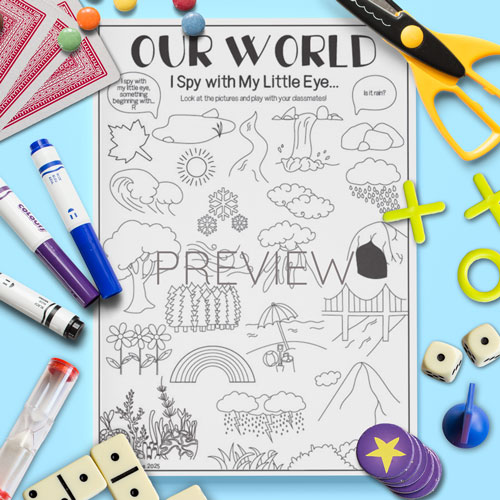
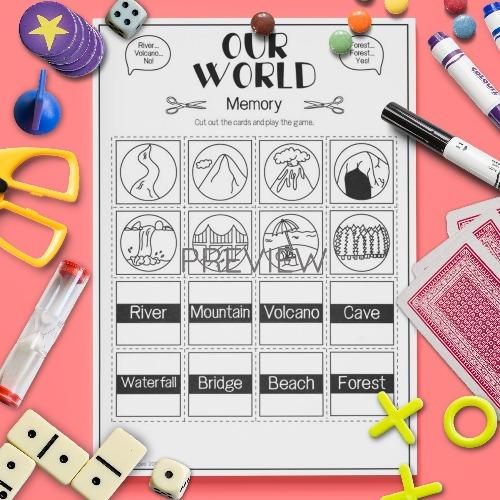
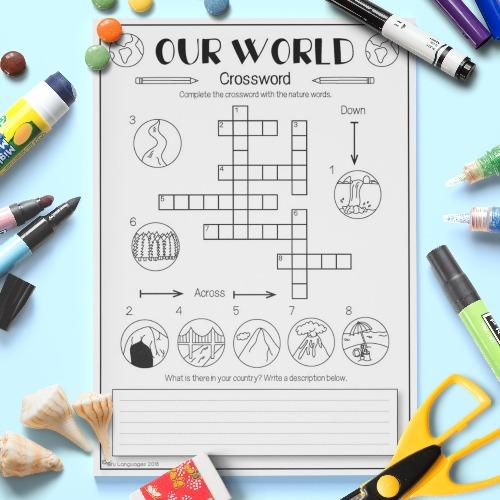
There are many different ways to explore this topic in the classroom. Vocabulary activities such as I spy, crosswords, letter puzzles and memory games provide a simple and effective starting point. These activities help introduce and reinforce key words like forest, river, mountain and beach in a way that feels familiar and low-pressure for children.
Reading & Writing
Reading and writing activities provide a valuable opportunity to deepen understanding, build confidence and use familiar vocabulary in a more meaningful context. Rather than introducing new language, these activities focus on helping children consolidate what they already know and apply it more independently.
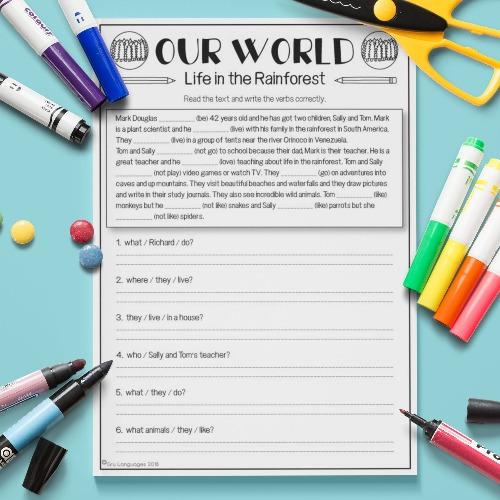
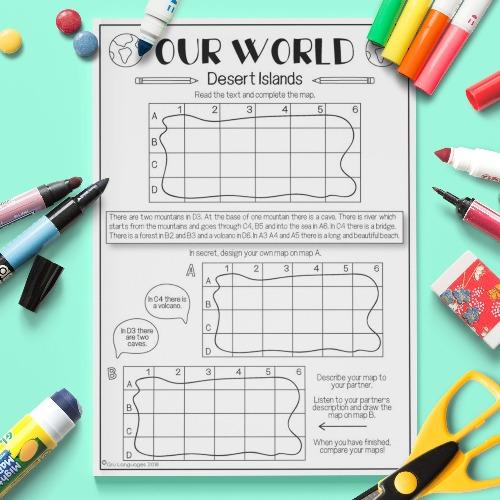
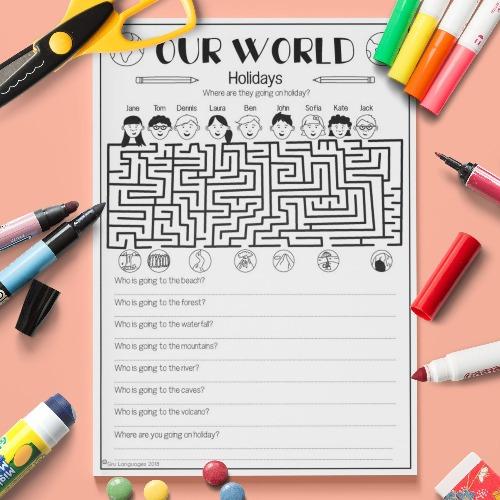
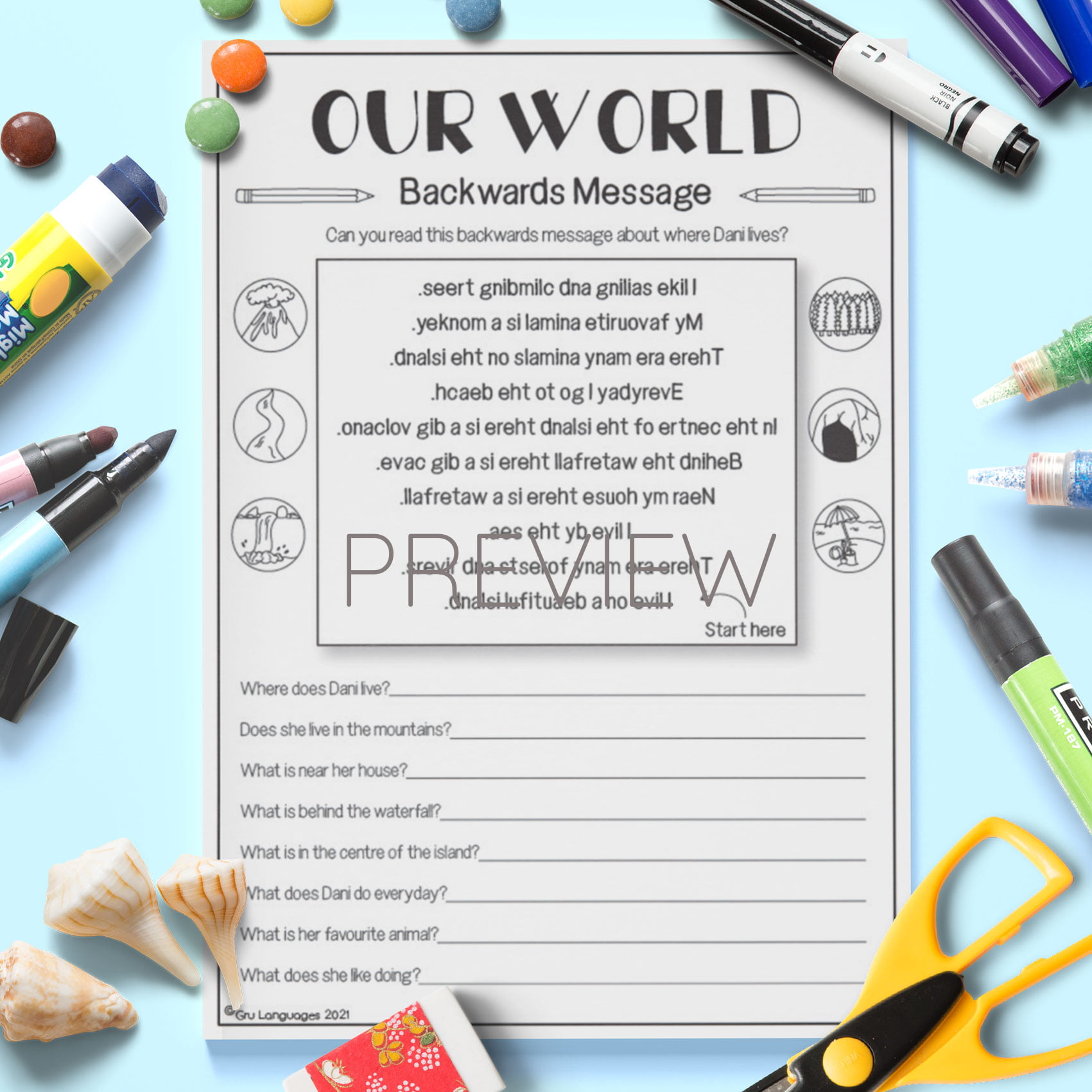
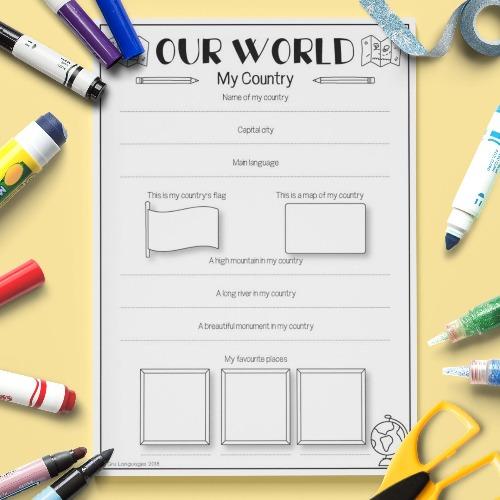
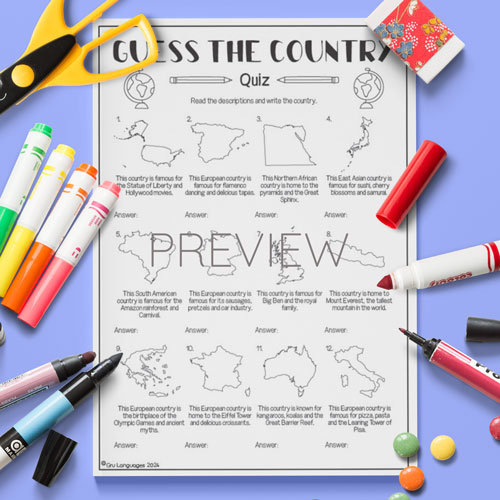
Activities such as life in the rainforest, desert islands, holidays, backwards messages, my country fact file and the guess the country quiz encourage children to read, interpret and respond in different ways. Whether they are solving a puzzle, completing a task or creating their own content, children are using language with more purpose and control.
These activities also create a calmer moment in the lesson, allowing children to slow down, process language more deeply and develop confidence in their ability to understand and express ideas.
Speaking Games
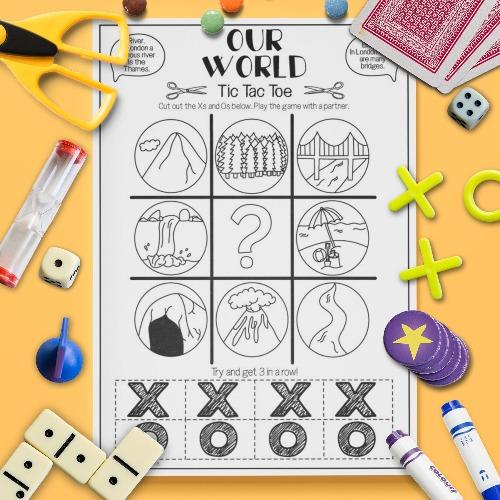
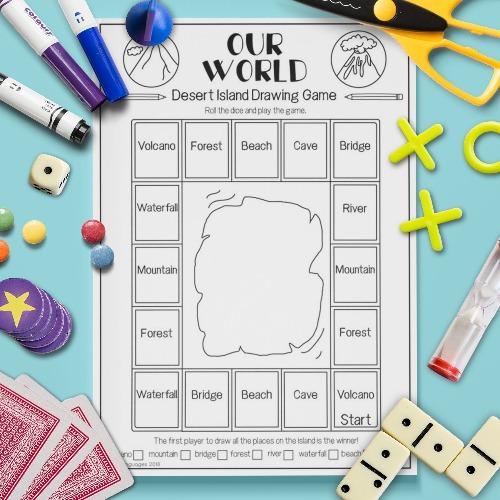
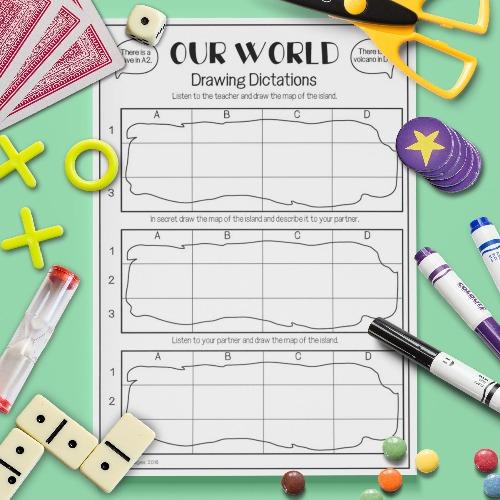
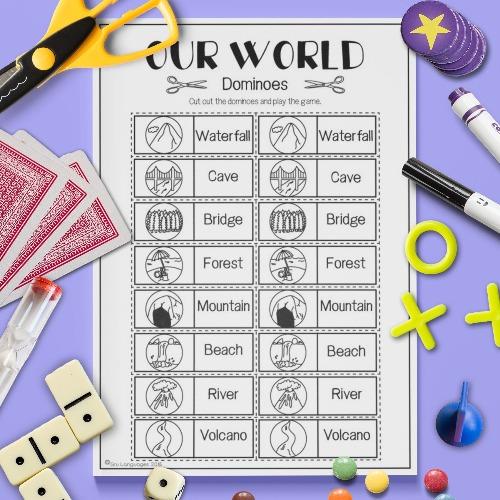
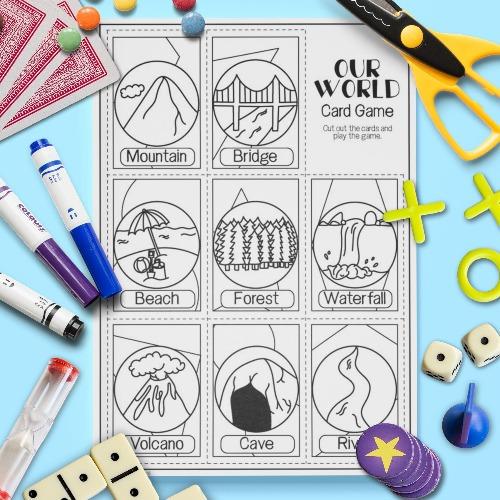
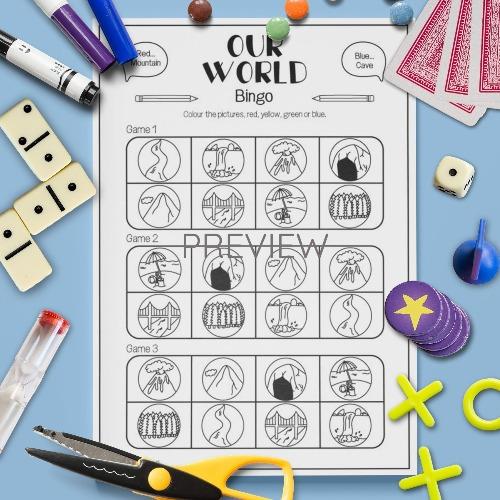
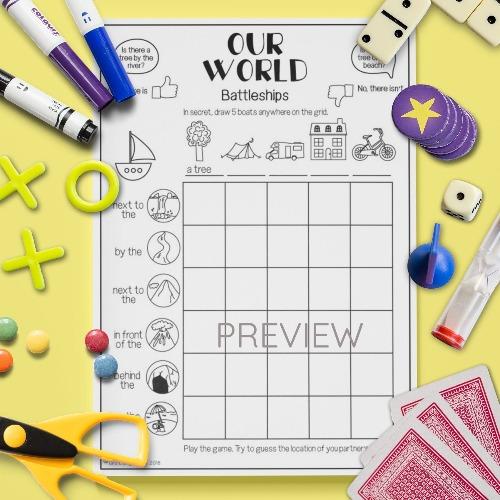
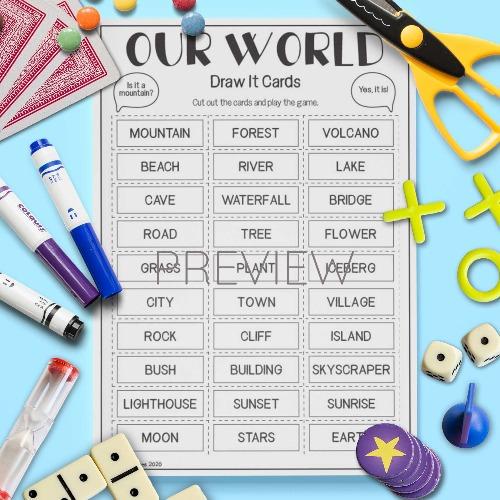
Speaking games then bring energy back into the lesson and create opportunities for interaction. Activities like tic tac toe, board games, bingo and battleships encourage children to use language in a natural and communicative way. Drawing dictation, dominoes, card games and draw it cards add variety and help keep children engaged while practising key structures and vocabulary.
Craft Activities
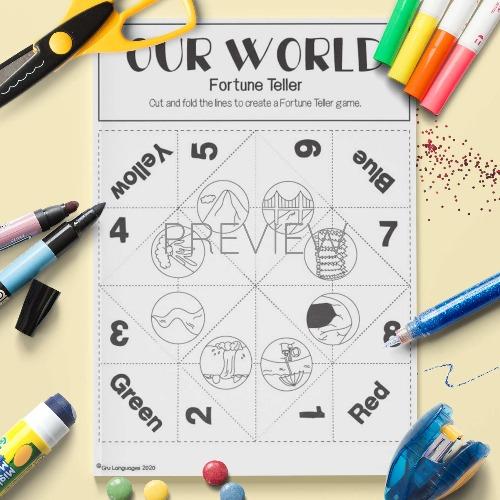
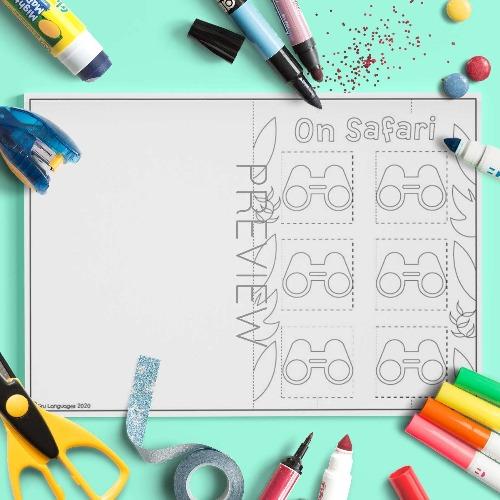
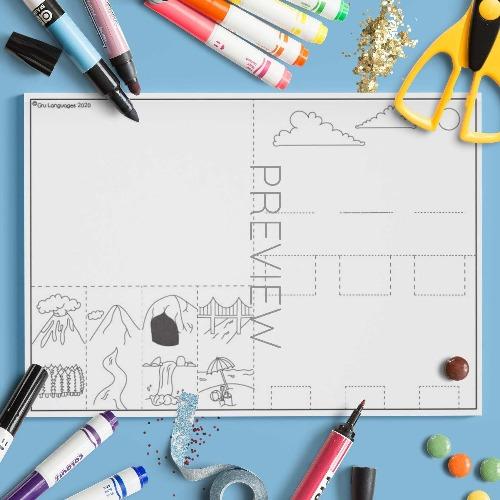
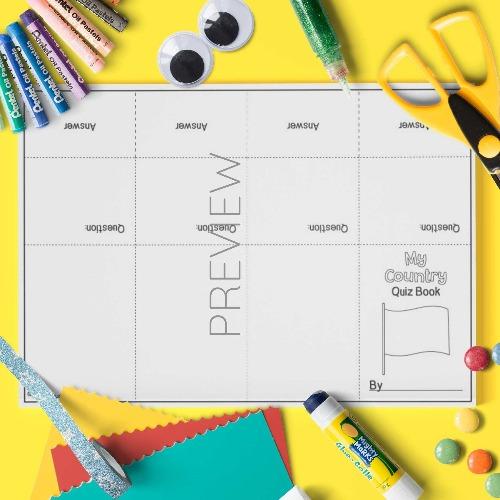
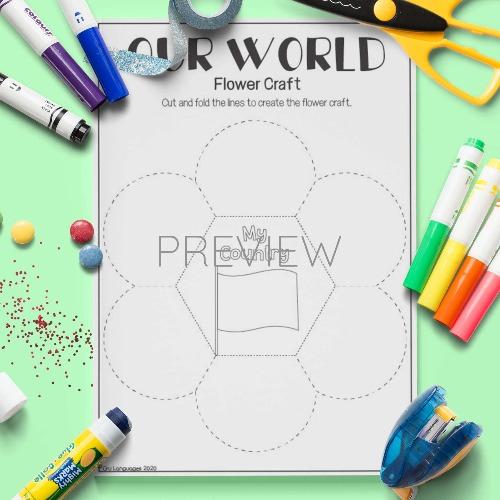
Creative tasks are a lovely way to finish the lesson and allow children to express their ideas more freely. Activities such as the fortune teller game, binoculars craft and pop-up nature scene give children the chance to imagine and create, while projects like my country quiz book and flower craft help connect the topic to the wider world. These activities often lead to more spontaneous speaking and give children a sense of ownership over their work.
Sample Earth Day Lesson Plan
(Ages 7–9, 60 minutes)
A simple Earth Day lesson can begin with a flashcard game to introduce key nature vocabulary in a visual and interactive way. Start by showing the flashcards to the whole class, modelling the words clearly and encouraging repetition. Once children are familiar with the vocabulary, play What’s missing? by removing one flashcard at a time and asking the class to identify which word has disappeared. This creates a lively and engaging start while helping children quickly recognise and recall new language.
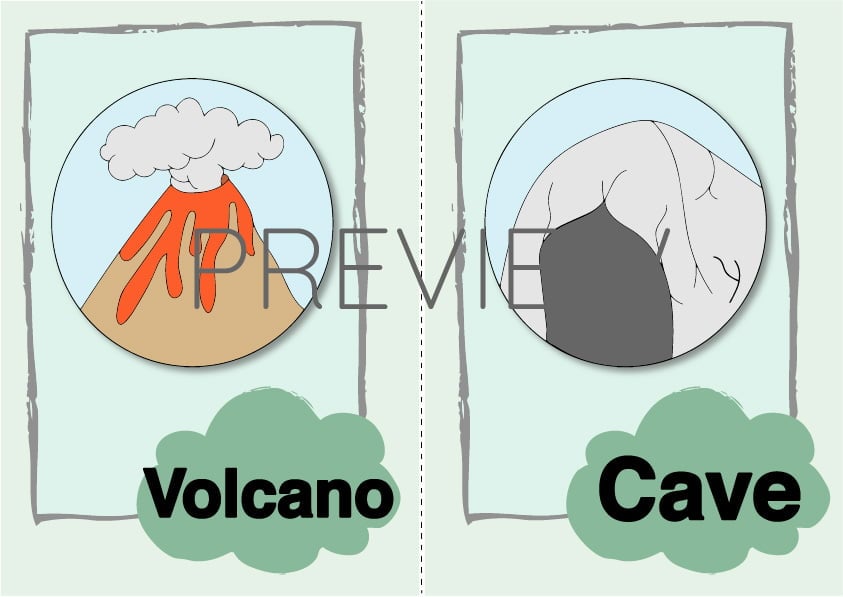
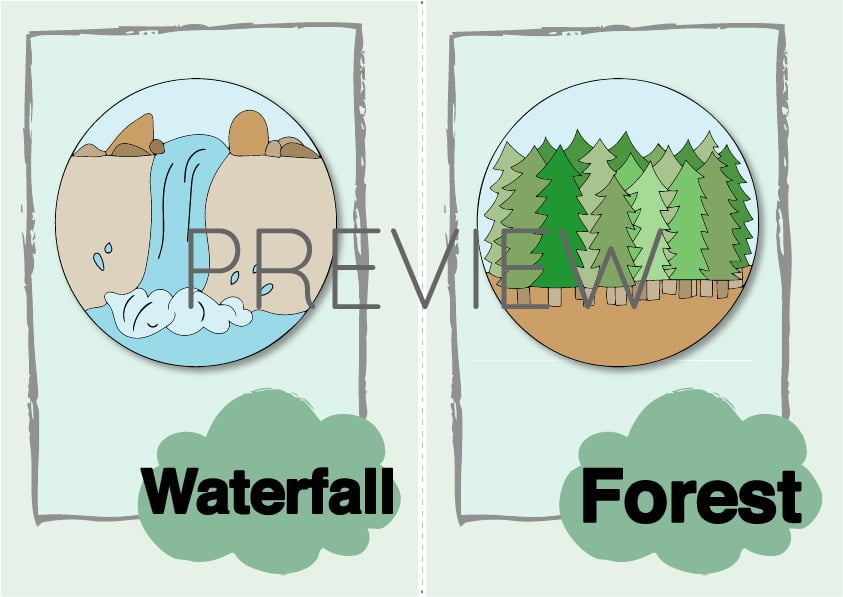
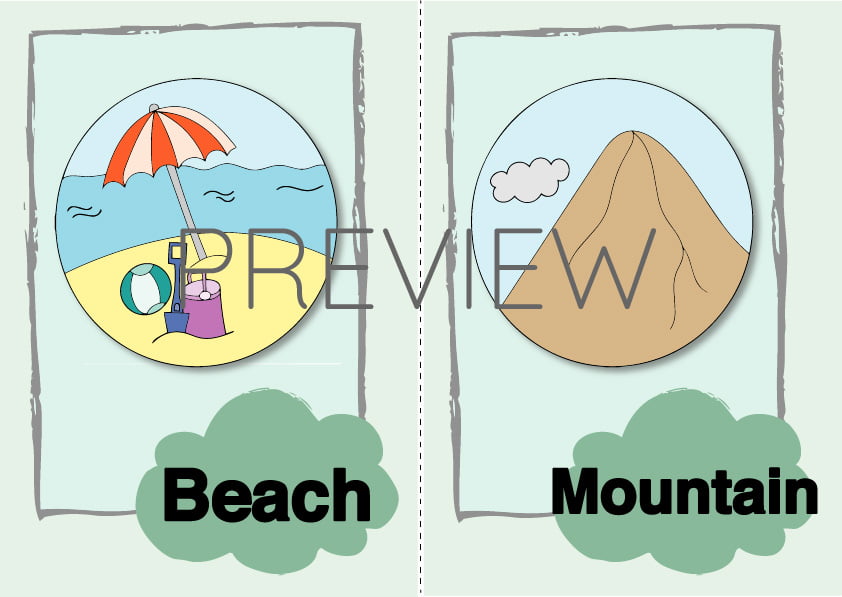
The first activity can then focus on reinforcing vocabulary and practising spelling. A crossword works well here, giving children a chance to slow down slightly and focus on accuracy while revisiting the target words.
Once the vocabulary feels more secure, the lesson can move into a task that encourages deeper thinking. The desert island activity allows children to read, interpret and make choices using the language they have already practised. This stage helps develop confidence and gives children the opportunity to use vocabulary in a more meaningful and personalised way.
The third stage can then shift the energy back towards communication. A speaking activity such as battleships encourages children to interact, ask questions and use full sentences in a structured but enjoyable format. This helps bring the language to life and builds fluency through repetition and play.
To finish the lesson, a creative activity such as the through the binoculars craft provides a calm and enjoyable ending. Children can use the language and vocabulary they have learned during the lesson more creatively and express their ideas. This final stage often leads to more natural speaking and helps children leave the lesson feeling confident and positive.
Final Thoughts
Earth Day is a reminder that language learning doesn’t happen in a vacuum, it happens when children are curious, engaged and connected to the world around them. These activities are designed to make that easy for you as a teacher, so you can focus on the moments that matter rather than the preparation behind them.
If you’d like to explore any of these resources, you’ll find them all in the Gru Languages library.
Happy Earth Day! 🌱