

How a Simple Worksheet Changed the Way my Students Felt About English
-By Sarah
There are lessons you forget the moment they end. And there are lessons you carry with you for years.
This is one of the second kind.
Many years ago, I was teaching a class of young Italian learners and if I’m honest, it was one of the harder groups I’d worked with. Not because the children were difficult (they weren’t), but because getting them to speak English together felt like an uphill battle. They would look at me. They would nod. They would answer in single words if pressed. But the moment I turned my back, the Italian came flooding in, warm, easy and familiar, and English retreated to wherever English goes when nobody wants to use it.
Then one afternoon when we were learning about clothes, I set up a game of…
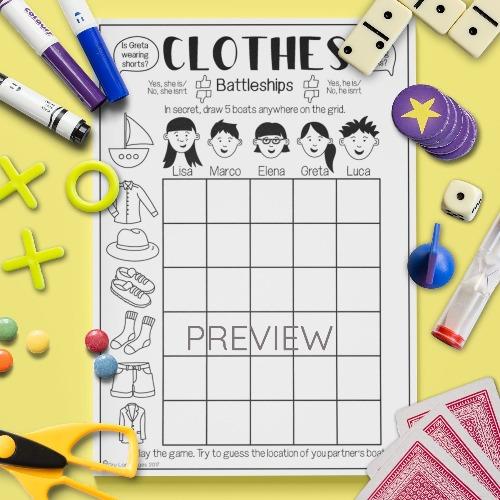
Clothes Battleships
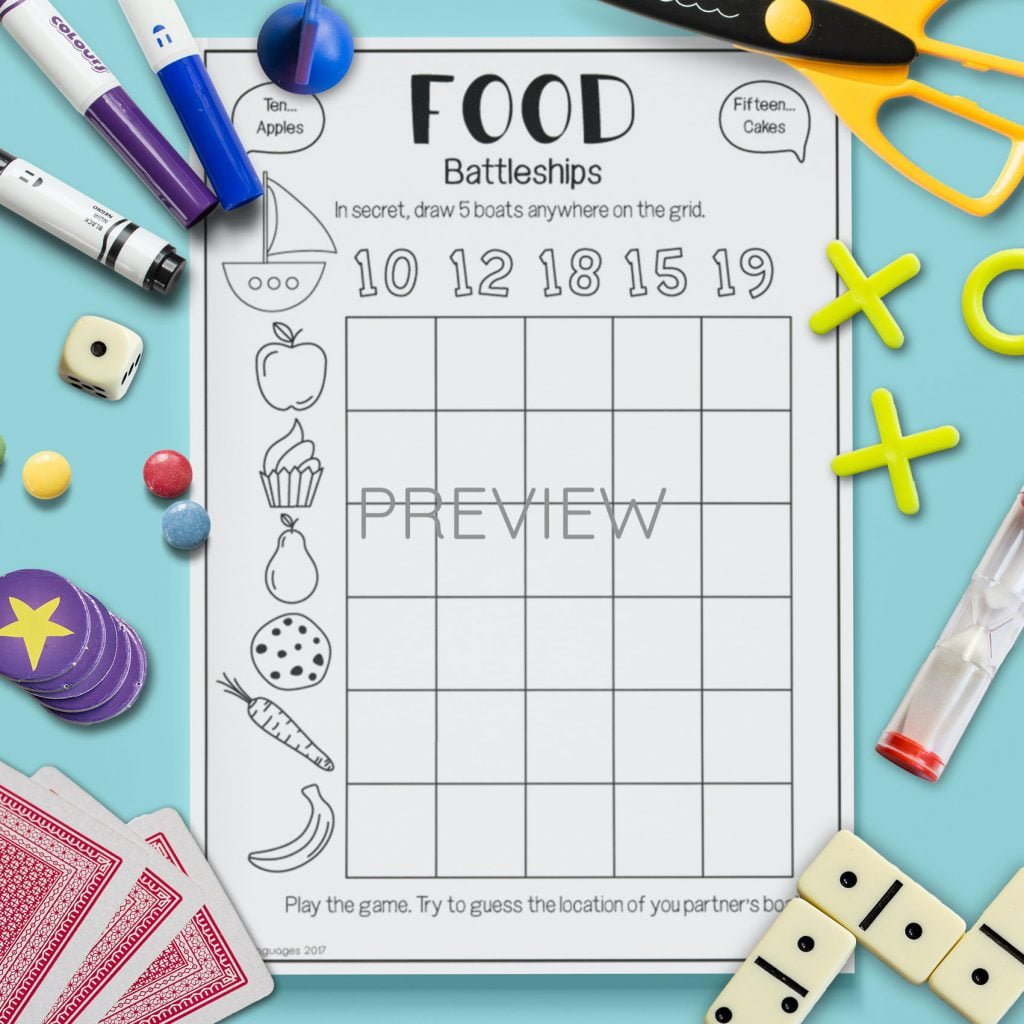
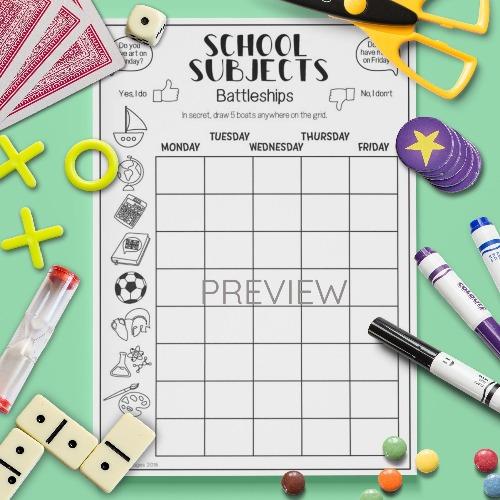
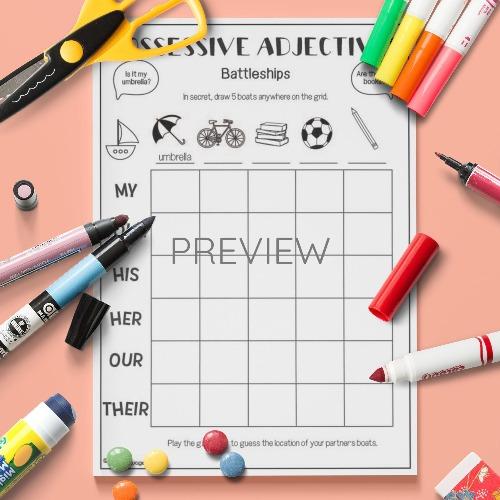
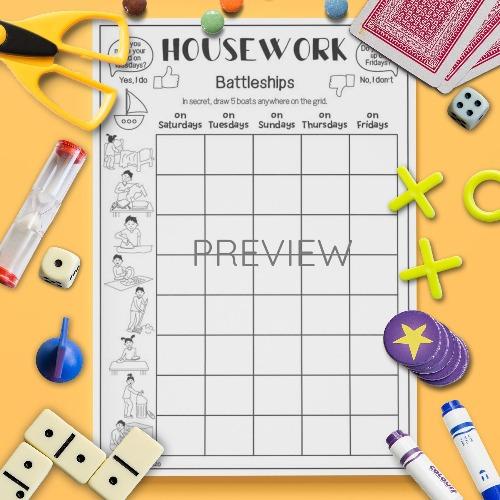
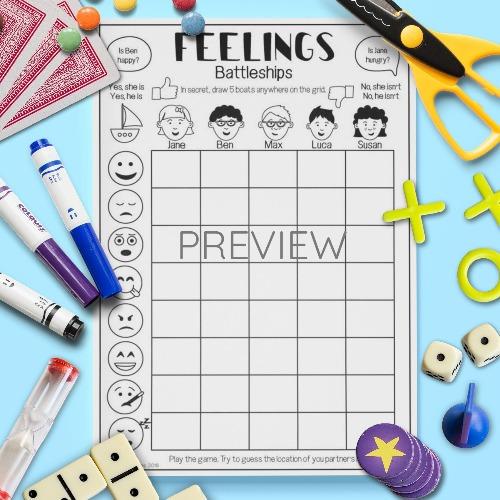
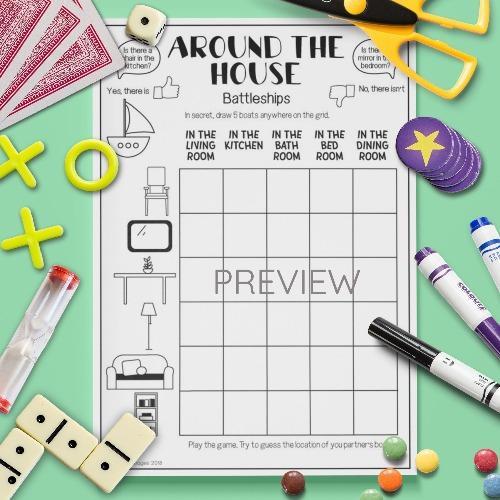
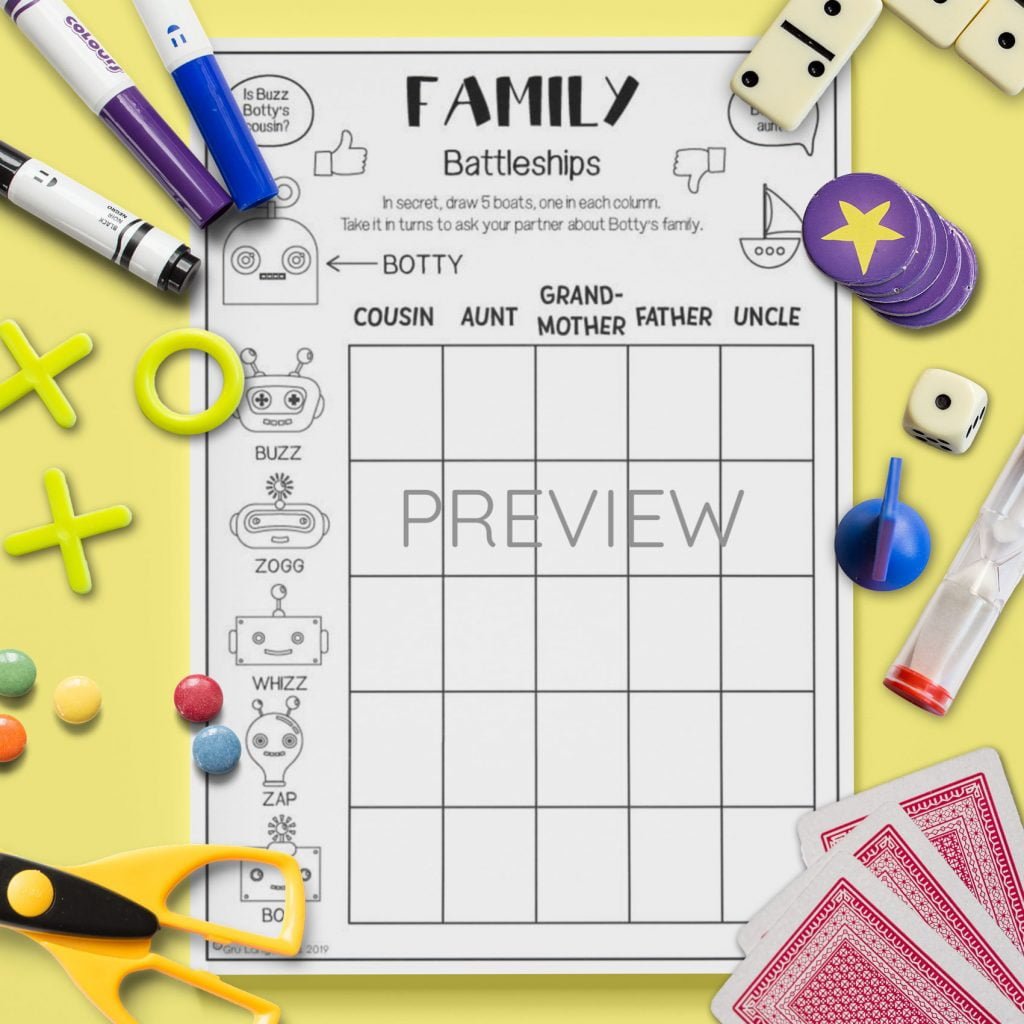
The worksheet looks simple enough. Across the top a list of children’s names. Down the side, a set of clothing items: socks, a hat, shorts, a jacket, trainers. Each child marks five boats on their grid, in secret.
Neither player can see the other’s grid.
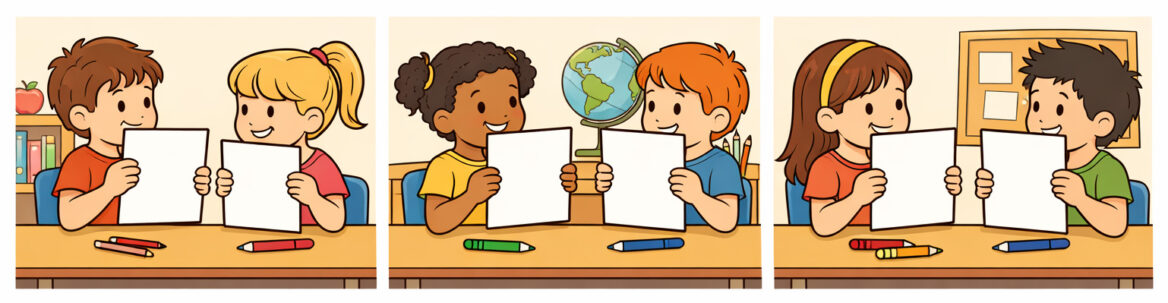
To play, children sit in pairs facing each other, worksheets held close. Then they take turns asking questions. Real questions. Full sentences, spoken in English, because the game only works if you use them.
“Is Marco wearing a hat?”
The partner checks their grid. Marco and hat. Is there a ship in that square?
“No, he isn’t. My turn! Is Lisa wearing socks?”
“Yes, she is!!”
That’s it. That’s the whole game. The winner is the one who finds all five boats first.
I paired the children up, handed out the worksheets, and stepped back.
What happened next is something I still think about.
Within about thirty seconds, every single child in that room was speaking English.
Not reluctantly. Not because I was watching. Not because they were being tested or corrected or encouraged. They were speaking English because they needed to. Because the game required it. Because there were boats to find, classmates to outsmart, and absolutely no time to waste on shyness.
The energy in the room shifted completely. It became focused, competitive, joyful; that particular combination you get when children are genuinely absorbed in something.
I heard full sentences. I heard complete questions asked and answered with confidence.
Children who had barely spoken above a whisper in previous lessons were firing questions across the table with real authority, then groaning or cheering depending on the answer.
I just stood there and watched. I don’t think I said a single word for ten minutes. I didn’t need to.
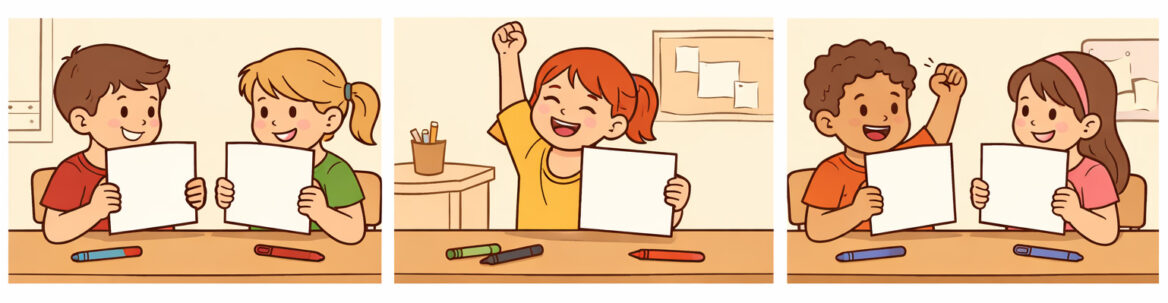
There’s something that happens when children stop thinking about the language and start thinking through it. When English stops being the subject of the lesson and becomes the tool they’re using to do something that actually matters to them, even if “mattering” in this context means finding a hidden boat in the socks-and-Lisa square.
That’s the shift. And it’s harder to manufacture than it sounds.
You can’t force it with drills.
Real communication requires something at stake. A question that genuinely needs answering. A partner who doesn’t know what you know. A reason to speak.
Clothes Battleships gives children all of that. The information gap is built into the worksheet itself: your partner’s grid is hidden from you, and the only way to find out what’s in it is to ask, in English, using the exact structures you’re trying to practise. Present continuous. Third person. Question and short answer. All of it woven invisibly into a game children actually want to play.
That class asked to play battleships again the following week. And the week after that. It became a classroom favourite: the activity they’d request when I gave them a choice, the one they’d return to with new partners, working their way around the room, asking questions with fresh enthusiasm each time.
What struck me most, looking back, wasn’t just that the children had spoken English. It was how they felt doing it. There was no anxiety in that room. No reluctance. No sense that English was something happening to them rather than something they were choosing to use.
They were playing. They were competing. They were laughing. And somewhere underneath all of that, completely unremarked upon, they were practising third-person questions and short answers with a level of repetition no drill could ever have achieved, and enjoying every second of it.
That afternoon changed the way I think about teaching resources. It’s why, when I design materials for Gru Languages, I think less about what a worksheet covers and more about what it makes children feel. A well-designed worksheet isn’t just a page of exercises. It’s an invitation into a game, a conversation, a small act of real communication.
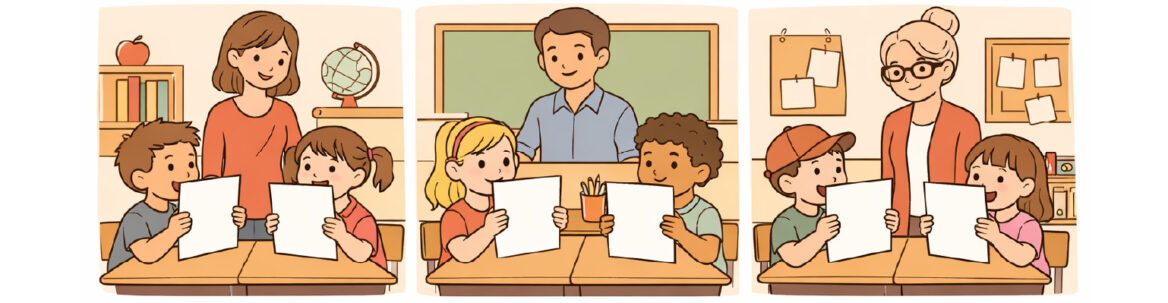
The best resources I’ve ever used in a classroom are the ones that make me redundant for a little while. The ones where I can step back, look around the room, and feel happy and proud of the lesson happening around me.
That’s what a simple worksheet did for a class of Italian children one afternoon. And it’s what we’re still trying to create, one resource at a time.
Clothes Battleships is one of many speaking activities for children learning English in the Gru Languages resource library. There are 50 variations of the battleships game in our collection now. Each one targets different vocabulary and grammar structures, all built around the same idea: Language learning flows naturally when it’ feels like’s made into a game.
Explore our battleships collection
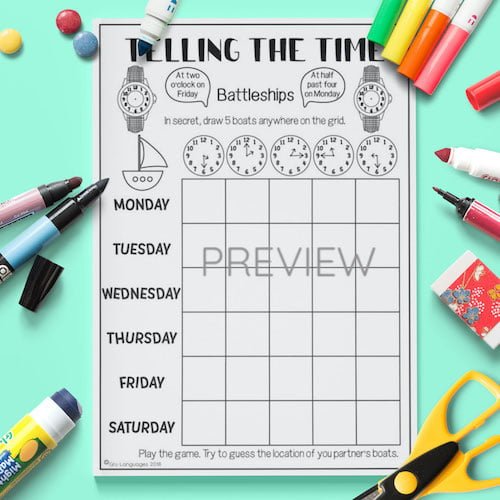
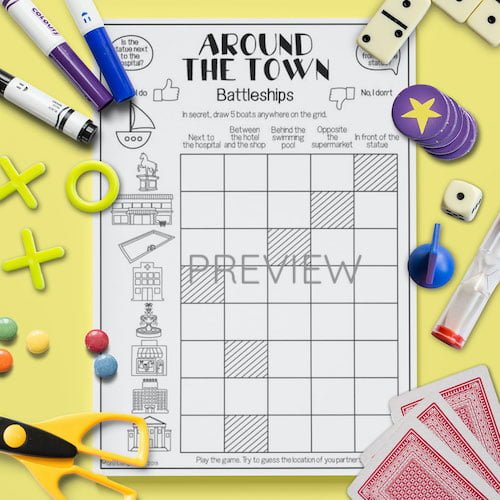
At Gru Languages, we believe children learn best when they’re engaged, enjoying themselves, and using language for something that feels real. That’s what guides everything we make. If you’d like to try more activities like this one, our free sample pack is a good place to start.