

Top 5 Summer Camp Games to Boost English Language Skills
-By Sarah
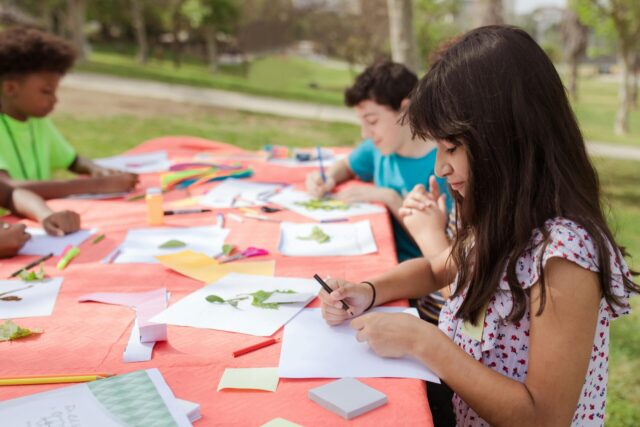
Are you working in an English language summer camp this year?
Incorporating fun games into camp activities can significantly enhance language learning while keeping your young campers entertained.
Here are five top summer camp games that are not only fun but also excellent for developing English language skills.
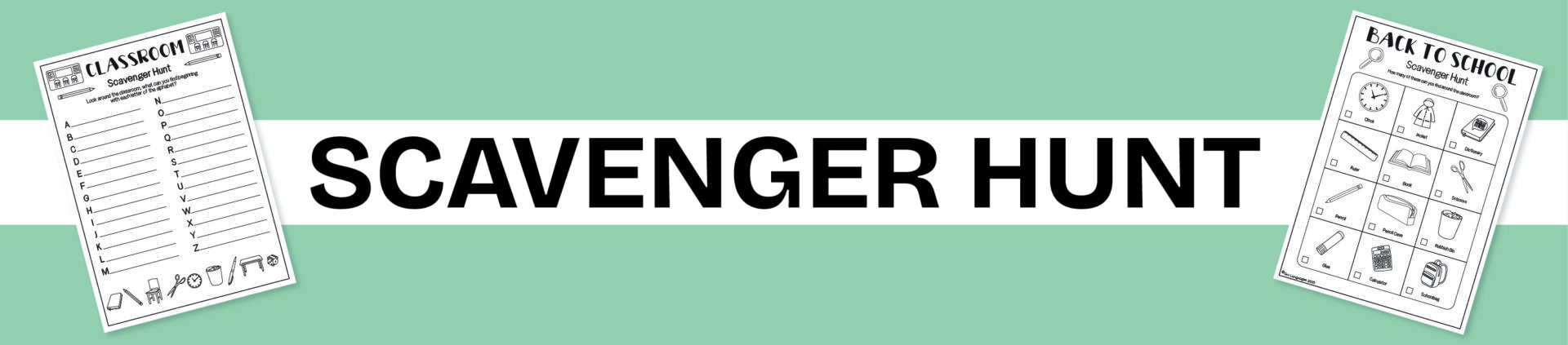
Scavenger Hunt
How to play: Create a list of items for the campers to find around the campgrounds. Each item should come with a description or a clue in English. Divide the campers into small groups and give each group a copy of the list. The first group to find all the items wins.
Language Skills Developed:
- Vocabulary Expansion: As campers read and interpret the clues, they encounter new words and phrases.
- Reading Comprehension: Understanding and following the clues require comprehension skills.
- Team Communication: Campers must discuss and collaborate, practising their speaking and listening skills.
- Stuck for time? Why not take inspiration from out Alphabet Challenge activities and our Back to School Scavenger Hunt.
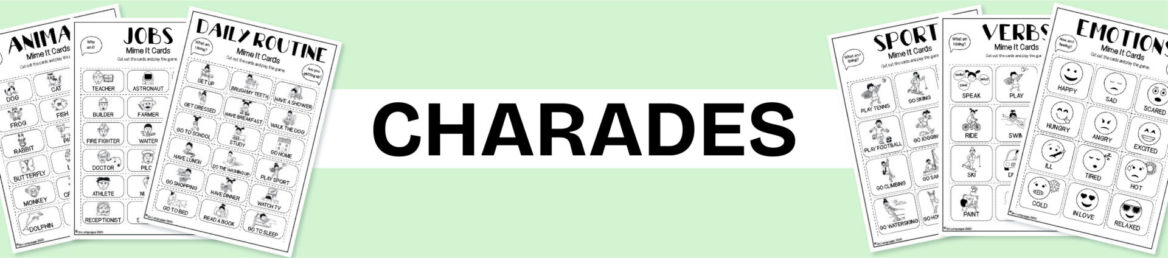
Charades
How to play: Write down various words or phrases on slips of paper (these can be themed around summer, camp activities, or English vocabulary words). A camper draws a slip and acts out the word or phrase without speaking, while the others guess.
Language Skills Developed:
- Vocabulary Recall: Campers must understand and remember the words they need to act out.
- Speaking and Listening: Guessing the words involves speaking clearly and listening attentively.
- Creative Expression: Acting out words encourages creativity and non-verbal communication.
- Download and print our Mime It worksheets!

Story Circle
How to play: Have the campers sit in a circle. Start a story with an opening sentence and then go around the circle, with each camper adding a sentence to the story. Encourage them to use new vocabulary and complex sentences.
Language Skills Developed:
- Narrative Skills: Campers learn how to construct and follow a story.
- Vocabulary Usage: They use and learn new words in context.
- Grammar Practice: Forming coherent sentences helps practice grammar rules.
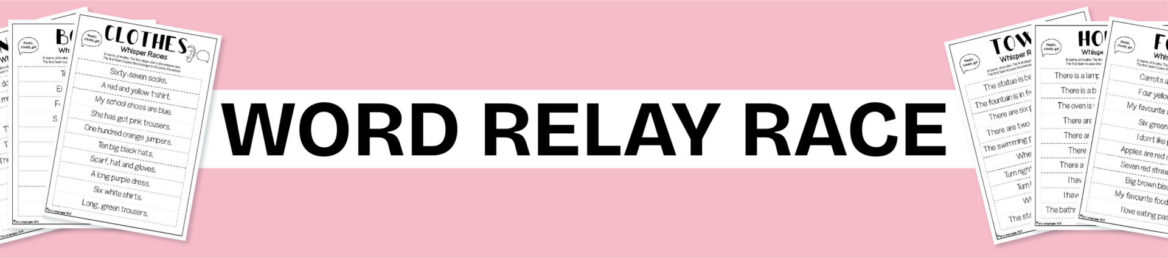
Word Relay Race
How to play: Set up a relay race with a twist. At each station, campers must complete a language-related task, such as spelling a word correctly, forming a sentence with given words, or identifying synonyms/antonyms before they can move to the next station.
Language Skills Developed:
- Spelling and Phonics: Emphasises correct spelling and pronunciation of words.
- Sentence Formation: Helps campers practise constructing sentences.
- Synonyms and Antonyms: Expands vocabulary through understanding of word relationships.
- Download and print our Whisper Races worksheets
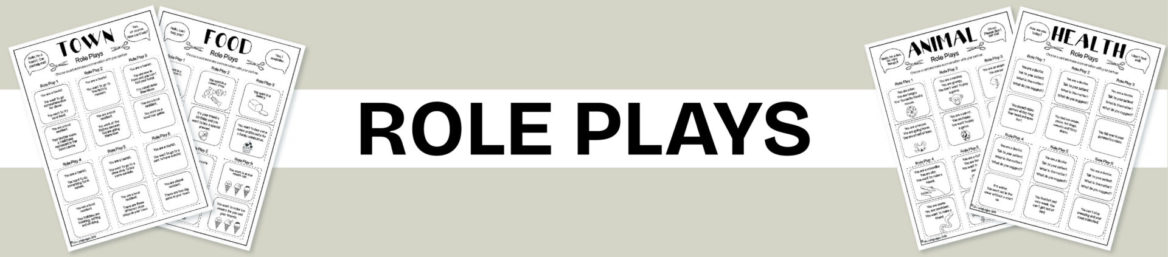
Role-Playing Scenarios
How to play: Create various real-life scenarios (e.g., shopping, dining at a restaurant) and assign roles to campers. They must act out the scenarios, using appropriate vocabulary and phrases.
Language Skills Developed:
- Practical Language Use: Encourages the use of everyday vocabulary and phrases.
- Speaking and Listening: Enhances conversational skills.
- Confidence Building: Role-playing builds confidence in using English in real situation.
- Stuck for ideas, check out our Role Play cards here.
Our Favourite: The Chair Shuffle Game
The Chair Shuffle is an engaging and dynamic game that helps students practise constructing sentences while developing their listening and speaking skills.
It’s particularly effective for practising phrases like “I like…”, “I don’t like…”, “I’m wearing…”, and “I have got…”.
How to play: Setup: Arrange chairs in a circle, ensuring there is one less chair than the number of students participating.
Starting the Game: One student stands in the middle of the circle while the others sit on the chairs.
Making a Statement: The student in the middle makes a true statement about themselves, such as “I’m wearing shorts.”
Shuffling: All students for whom the statement is also true must stand up and quickly find a new chair to sit in.
Finding a Chair: The student in the middle also tries to find an empty chair to sit in, therefore there will always be one student left standing.
New Round: The student who is left standing becomes the new person in the middle and makes a new true statement.
Language Skills Developed:
- Sentence Construction: Students practice forming correct sentences in English, which helps with grammar and syntax.
- Listening Skills: Students must listen carefully to the statements to determine if they need to stand up and switch chairs.
- Speaking Practice: Making statements in front of peers encourages confidence in speaking English.
- Vocabulary Reinforcement: By using phrases related to likes, dislikes, clothing, and possessions, students expand and reinforce their vocabulary.
- Social Interaction: The game promotes social interaction and teamwork as students engage with one another in a fun and active setting.
- Physical Activity: Incorporating movement into learning helps maintain student engagement and energy levels.
Incorporating these games into summer camp activities not only keeps campers entertained but also creates a dynamic learning environment where they can improve their English language skills. By blending fun with education, these games foster a love for learning and help campers gain confidence in their language abilities. Try these games at your next summer camp and watch your campers’ English skills soar!