

Fun Easter Activities for Children Learning English
-By Sarah
Easter is a wonderful time to bring a colourful spring theme into the classroom. With Easter eggs, playful bunnies and the excitement of egg hunts, the holiday provides plenty of opportunities to practise English through games, puzzles, storytelling and creative activities.
Seasonal topics can help students feel more motivated and engaged and Easter is especially popular with younger learners. The bright imagery and familiar traditions make it easy to introduce new vocabulary, encourage speaking and create memorable classroom moments.
We’ve created a collection of Easter worksheets, games and crafts designed to help children practise English while exploring the fun traditions associated with the holiday. The activities can easily be adapted for different ages and language levels, making them flexible for many classroom settings.

Easter Vocabulary Activities
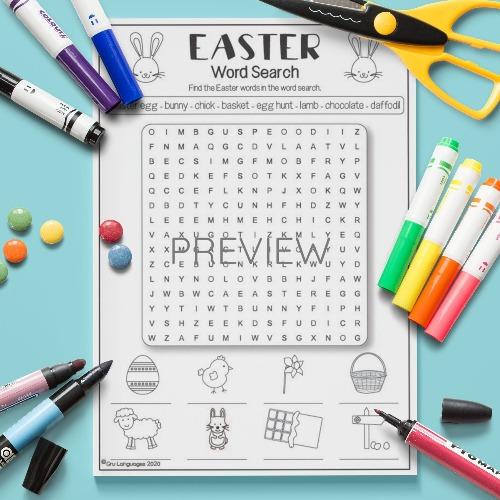
Introducing themed vocabulary helps students feel confident before moving on to speaking or writing activities. Easter offers plenty of fun words to explore, such as Easter egg, basket, egg hunt, daffodil, chocolate and bunny.
Vocabulary puzzles are a great way to reinforce these words in a playful way.
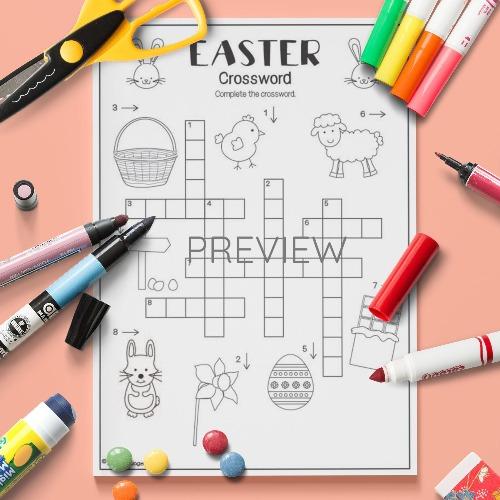
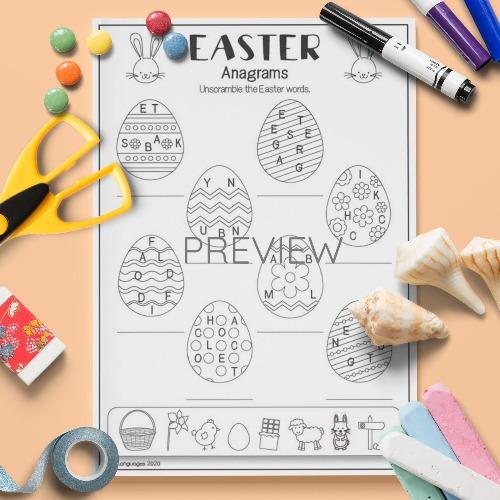
The collection includes several puzzle-style activities such as word searches, crosswords and anagrams, which help students practise recognising and spelling Easter vocabulary.
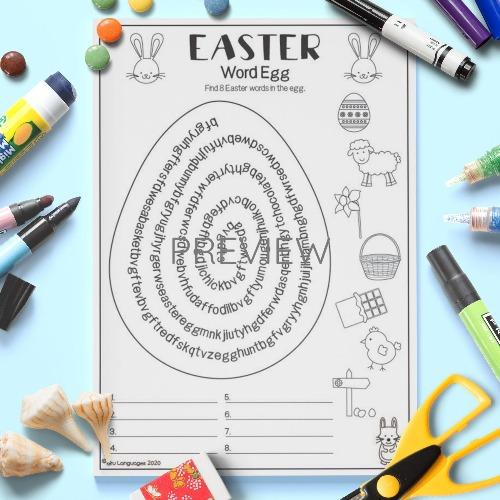
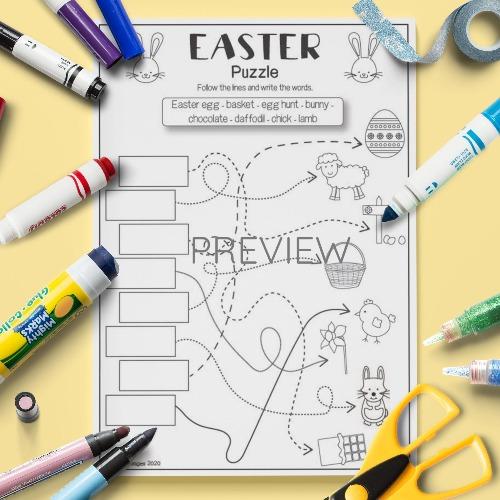
The egg-shaped word swirl adds an extra seasonal twist, while the follow the line puzzle encourages students to trace a path while identifying themed words.
These activities work well as warm-up tasks, early finisher activities or quiet individual work.
Reading and Writing Activities
Once students are familiar with the vocabulary, they can begin using it in reading and writing activities.
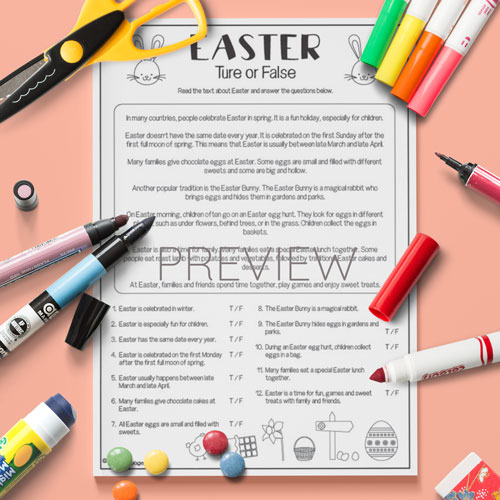
The true or false reading comprehension introduces a short text about Easter traditions. Students read the passage and then decide whether each statement is true or false, helping them practise careful reading and understanding key information.
Creative writing activities allow learners to use their imagination while practising sentence building.
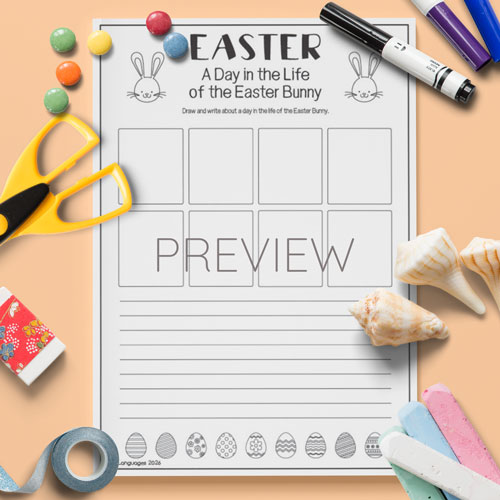
In A Day in the Life of the Easter Bunny, students draw and write about what the Easter Bunny does throughout the day.
The Easter Bunny gap fill story encourages learners to complete a story by choosing words based on the part of speech provided under each gap. This often results in funny and creative stories, which students enjoy sharing with the class.
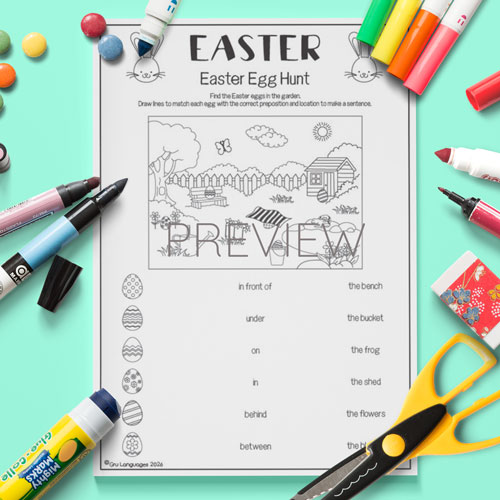
The Easter Egg Hunt sentence matching activity focuses on sentence building. Students match Easter eggs with prepositions and locations in the garden to create sentences describing where the eggs are hidden.
Together, these activities help students develop reading comprehension, vocabulary and creative writing skills.

Speaking and Classroom Games
Interactive games help bring the Easter theme to life and encourage students to practise English in a natural way.
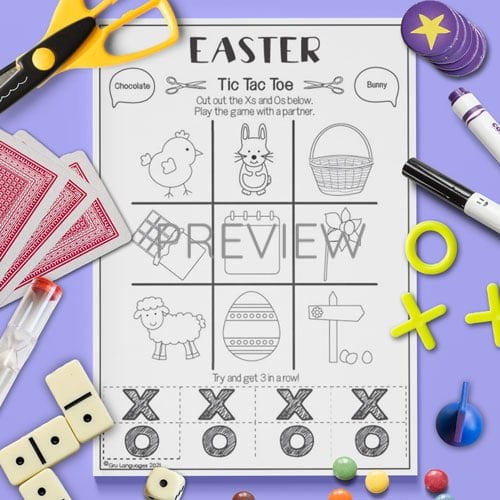
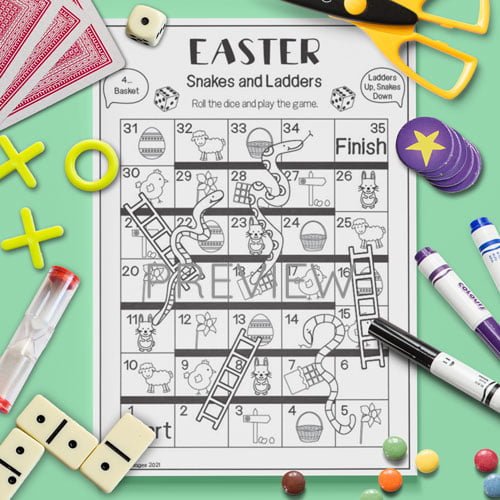
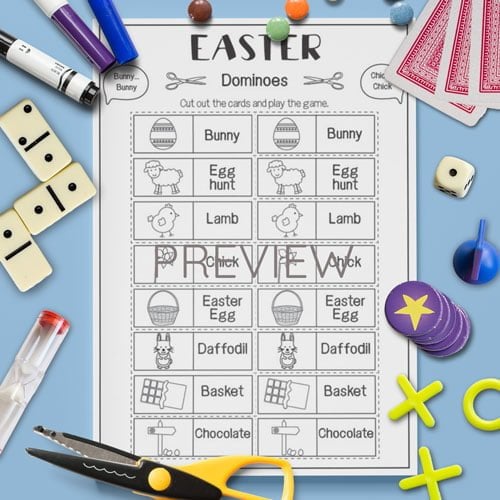
The collection includes several classic classroom games adapted with Easter vocabulary, such as Bingo, Tic Tac Toe, Battleships, Snakes and Ladders and Dominoes.
These activities encourage students to listen carefully, speak with their classmates and practise new vocabulary while playing.
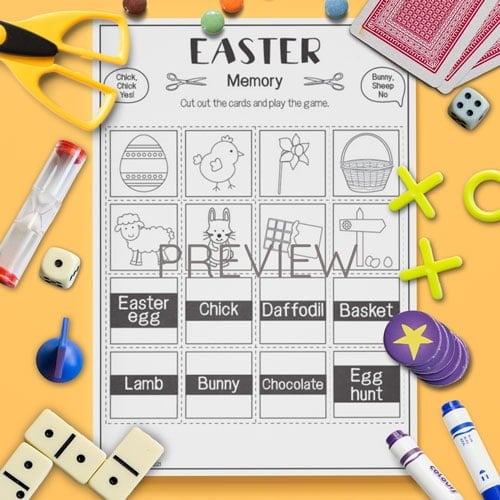
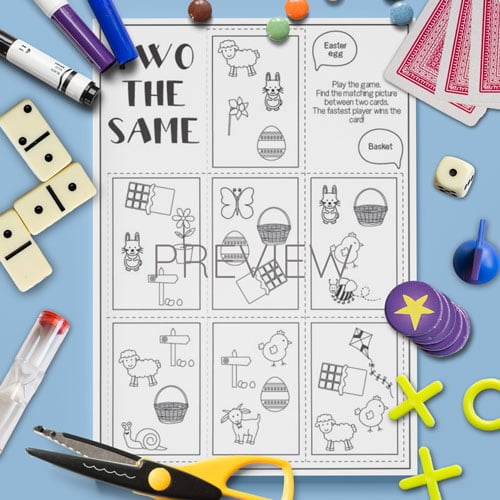
Matching games such as Memory and Two the Same also provide a fun way for students to reinforce vocabulary while developing concentration and observation skills.
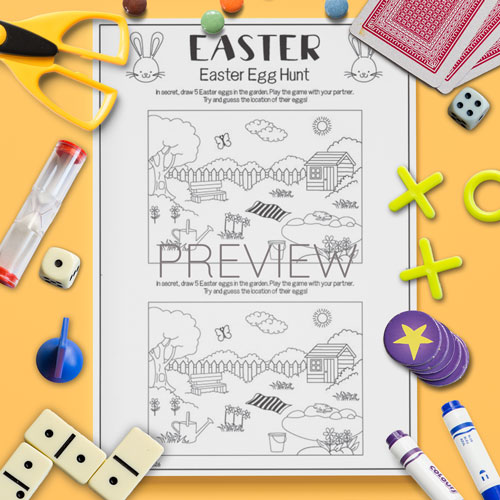
In the Easter Egg Hunt guessing game, students secretly hide eggs in a garden scene and then take turns asking questions to guess where their partner’s eggs are hidden. This activity helps learners practise prepositions of place while developing speaking confidence.
Because these games are simple and flexible, they can easily be used for whole-class activities, pair work or small group practice.
Creative Easter Crafts
Creative projects are always popular with younger learners and allow students to practise English while making something they can take home.
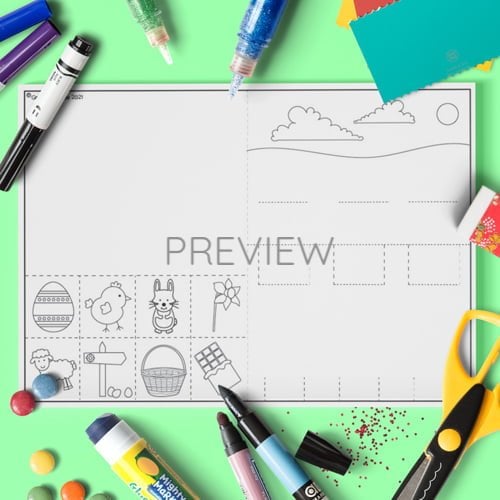
The collection includes several craft activities such as the Easter Bunny stand-up craft, pop-up Easter scene, pull-down Easter basket and Easter flower craft.
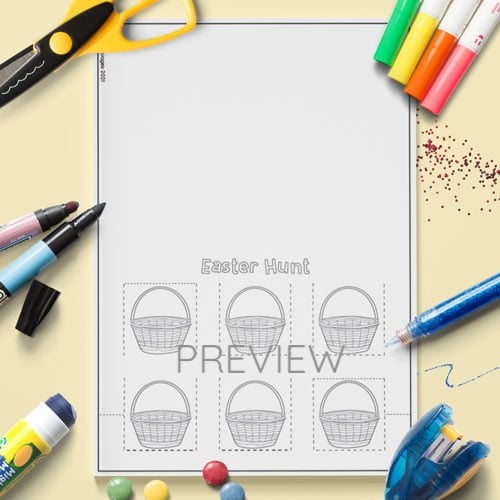
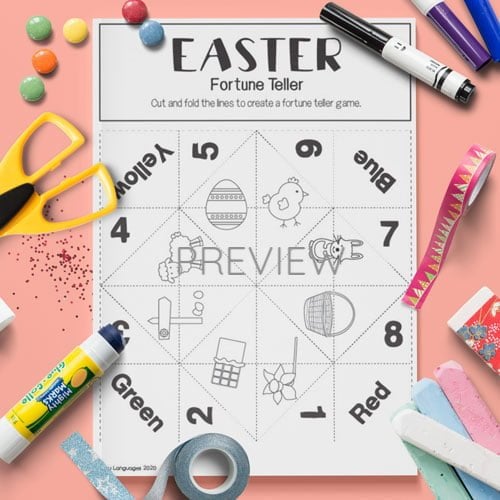
Students can also create their own Easter Fortune Teller game or complete the Inside the Easter Basket craft, where they design and decorate their own basket filled with Easter treats.
Craft activities help reinforce vocabulary while developing creativity and fine motor skills.



Sample Easter Lesson Plan
Here is an example of how these activities can be combined into a simple and engaging Easter-themed lesson.
Warm-up: Vocabulary Puzzle
Start the lesson with a vocabulary activity such as the Easter word search or crossword. This helps introduce key Easter words like bunny, egg, basket and flowers, while warming students up for the lesson.
You can ask students to work individually or in pairs and then review the answers together as a class.
Vocabulary Practice: Matching Game
Next, reinforce the new vocabulary with a game such as Memory, Dominoes or Two the Same. These activities encourage students to recognise and match words and pictures while interacting with their classmates.
Games like these are a great way to build confidence before moving on to speaking activities.
Speaking Activity: Easter Egg Hunt
Once students are comfortable with the vocabulary, introduce the Easter Egg Hunt speaking activity.
Students secretly hide eggs in the garden scene and then ask their partner questions to guess where the eggs are hidden.
This activity helps learners practise prepositions of place while encouraging communication and interaction.
Reading Activity
Students can then complete the Easter reading comprehension activity. They read the short text about Easter and decide whether each statement is true or false.
This helps develop reading comprehension and encourages students to identify key information in the text.
Creative Writing
Next, students can complete the Easter Bunny gap fill story or A Day in the Life of the Easter Bunny worksheet.
These activities encourage students to use their imagination while practising sentence writing and storytelling.
Creative Craft
To finish the lesson, students can complete one of the Easter crafts, such as the pop-up Easter scene or the Easter Bunny stand-up craft.
Creative projects allow students to relax, practise vocabulary in context and end the lesson in a fun and memorable way.
This type of lesson combines vocabulary practice, speaking, reading, writing and creativity, helping students develop multiple language skills while enjoying the Easter theme.
Accessing the Easter Activities
All of these Easter activities are available to download on our website as part of the printable worksheet library.
A subscription provides access to over 2000 printable worksheets, games, crafts and lesson plans, designed to help teachers save preparation time while creating engaging lessons for their students.
You can explore the full collection of Easter activities and start using them in your classroom today!