

World Oceans Day Activities for Children
-By Sarah
World Oceans Day is a great opportunity to bring creativity, communication and environmental themes into English lessons with young learners.
Under the sea topics naturally encourage curiosity and imagination, making them ideal for speaking games, crafts, vocabulary activities and creative writing tasks.
In this post, we’re sharing some simple World Oceans Day activity ideas for children, along with an example lesson plan using printable resources, games and crafts.
Why teach World Oceans Day in English lessons?
Ocean-themed lessons work especially well with children because they combine colourful visuals, movement, storytelling and familiar animals. Topics like sea creatures, coral reefs and protecting the oceans also create lots of opportunities for meaningful communication in the classroom.
World Oceans Day activities can help children practise:
- Sea animal vocabulary
- Describing animals and habitats
- Speaking and conversation skills
- Reading comprehension
- Creative thinking
- Environmental awareness
The theme also works well across different age groups and English levels, from preschool and primary learners to older children.
Vocabulary Activities
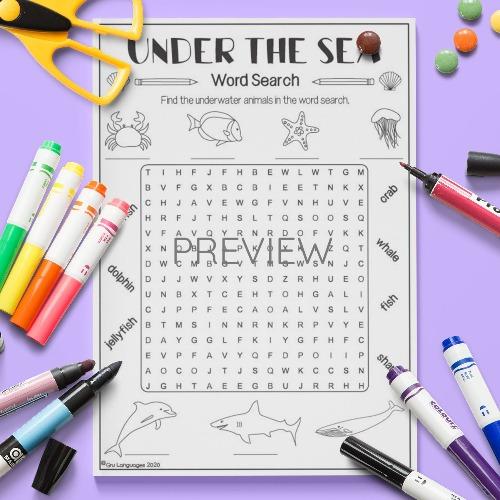
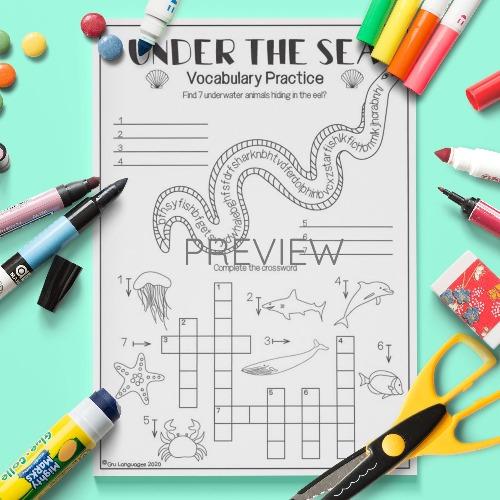
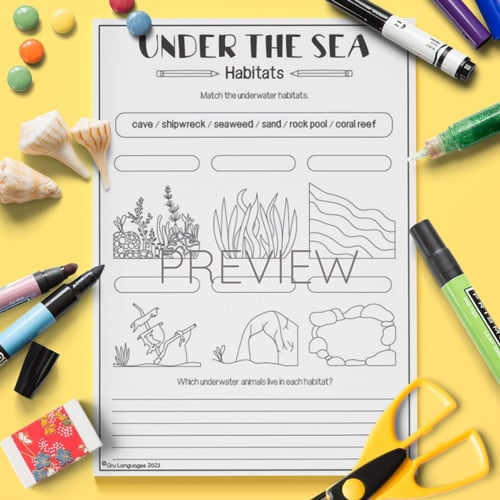
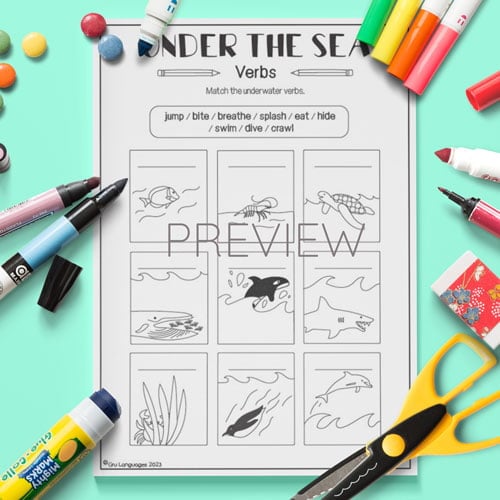
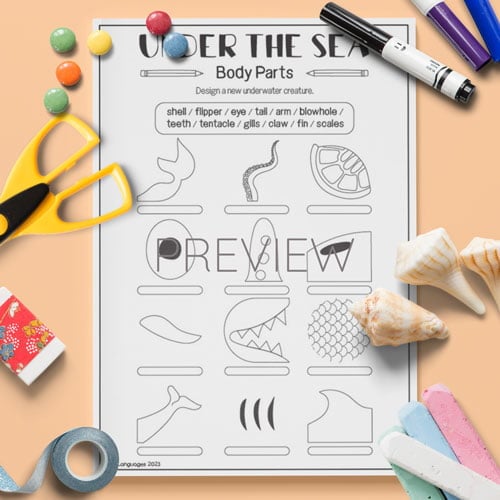
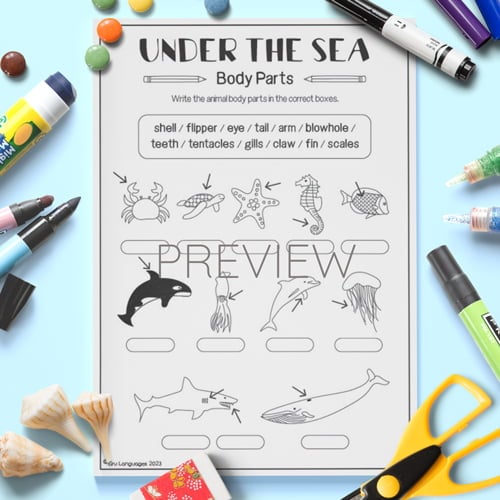
Vocabulary activities are a great way to introduce ocean themes while building confidence and encouraging participation. Labelling, word searches, crosswords and matching activities introduce children to new words in a playful and memorable way.
These types of activities work especially well as lesson warmers or lead-in tasks before moving into reading, writing or speaking activities.
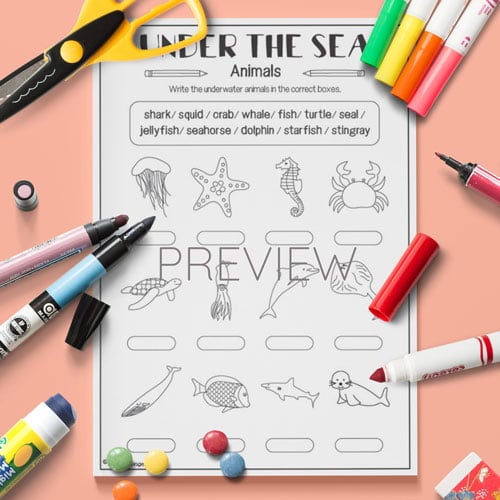
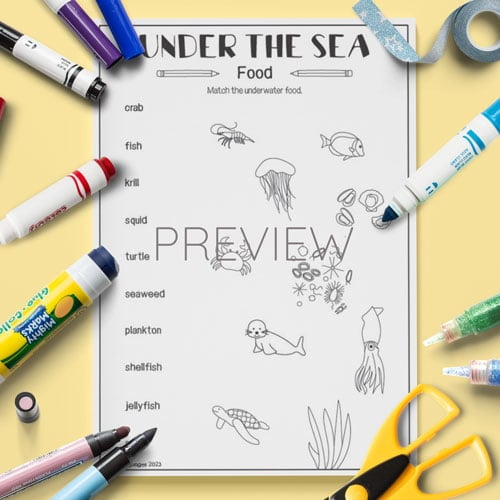
Reading & Writing Activities
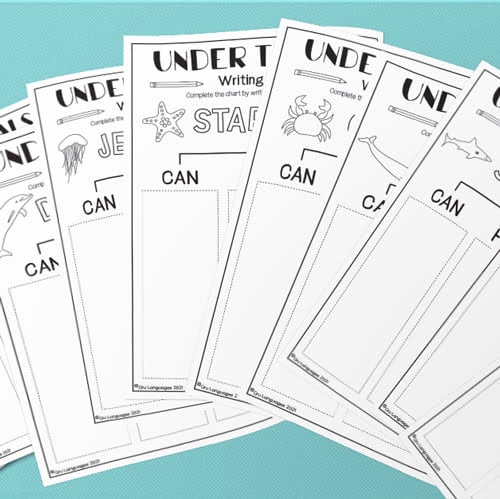
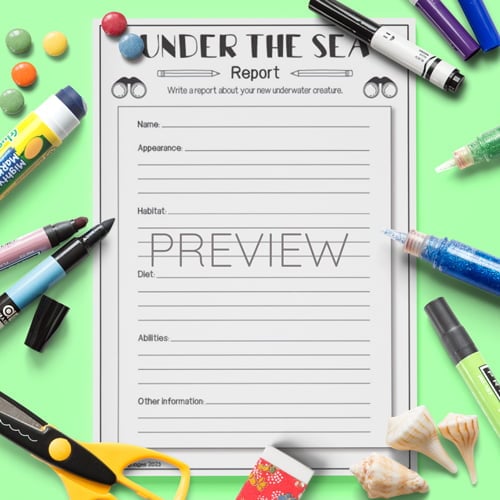
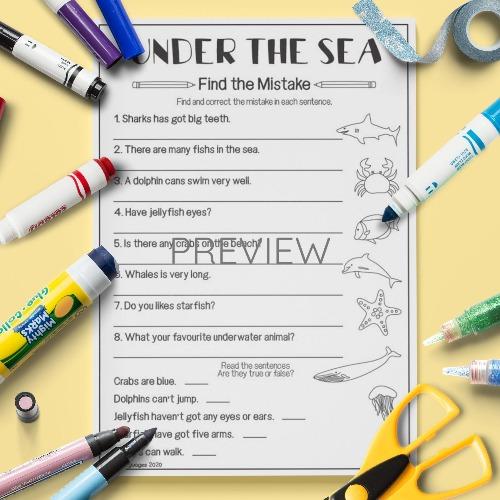
Reading and writing activities help children engage more deeply with the topic while developing comprehension, spelling and sentence-building skills. Under the sea themes work particularly well because children are naturally curious about sea creatures and underwater life.
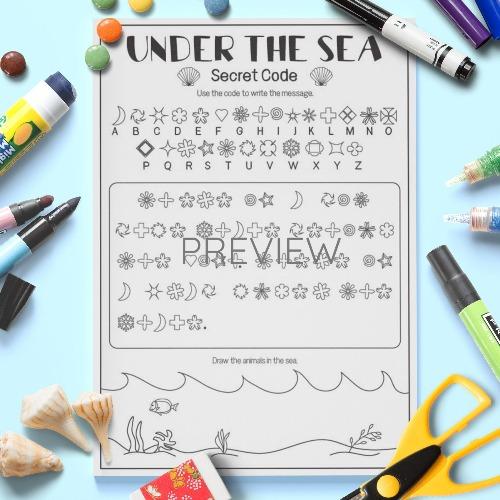
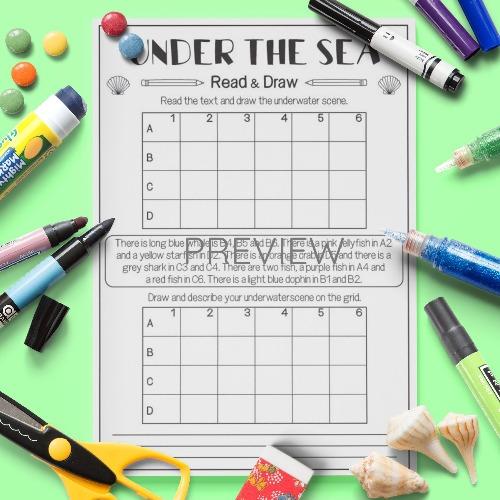
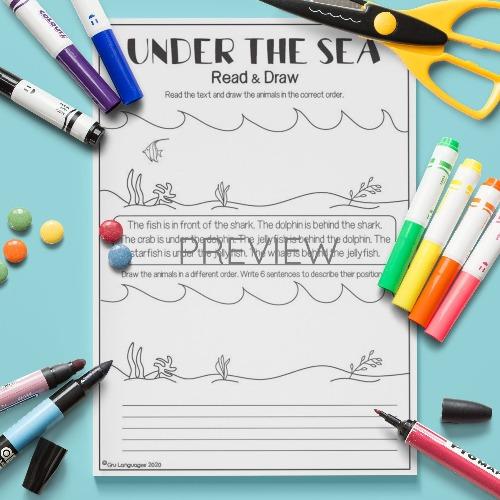
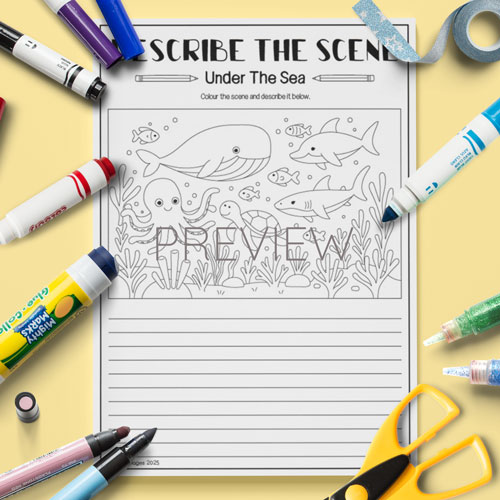
Read and draw, crack the code activities, reading comprehensions and simple writing tasks can all help reinforce vocabulary while keeping lessons creative and engaging.
Listening & Speaking Activities
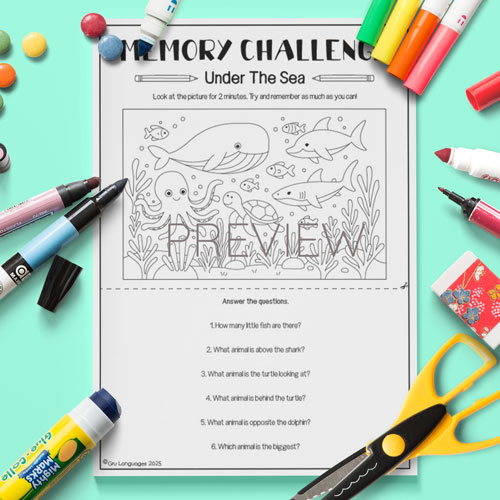
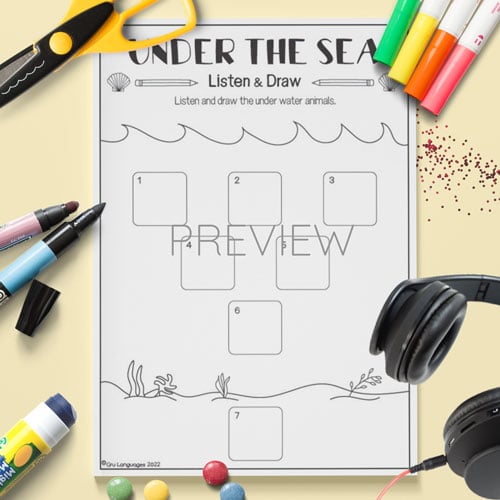
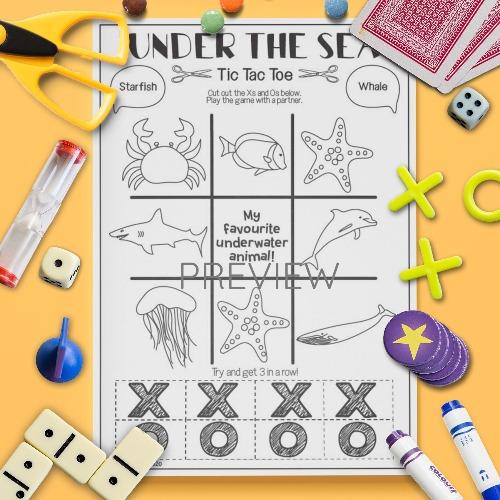
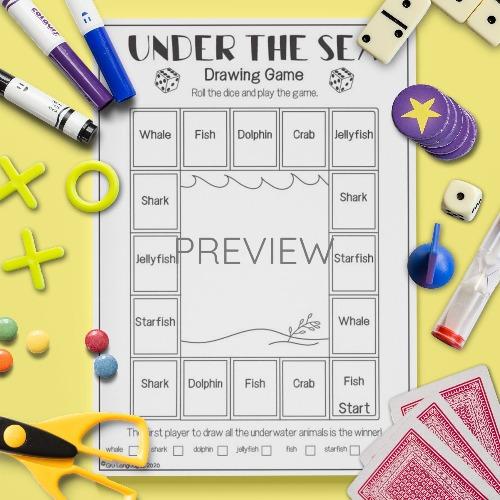
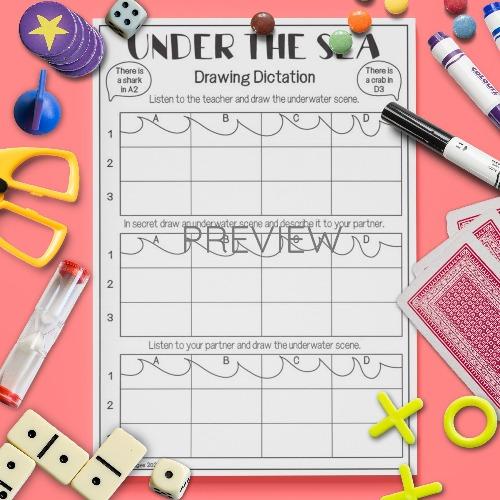
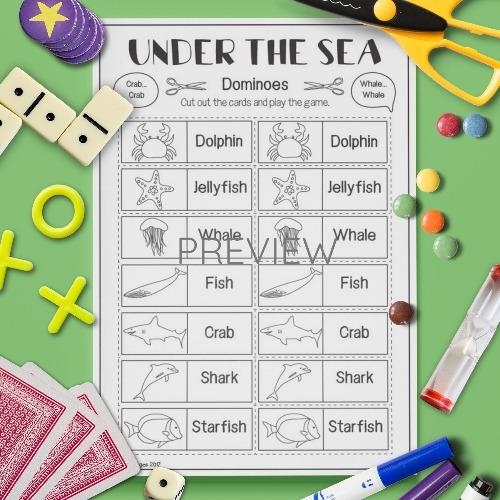
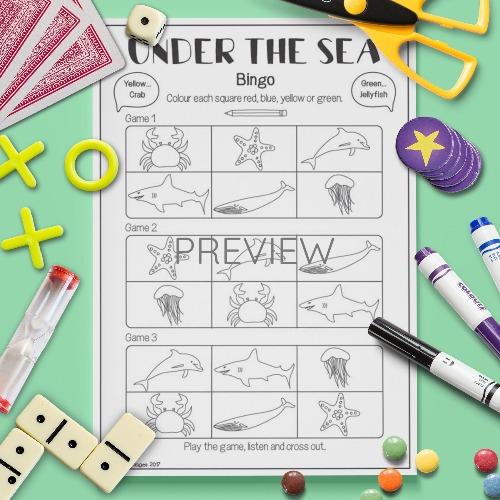
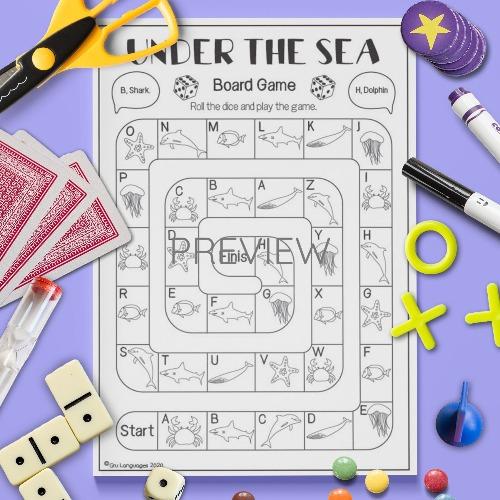
Ocean-themed speaking games are a great way to encourage communication, movement and interaction in the classroom. Activities like memory games, board games, describing activities and drawing games help children practise vocabulary naturally while building confidence speaking English.
These types of activities work particularly well in pair work and group settings, helping lessons feel more communicative, relaxed and enjoyable.
Craft Activities
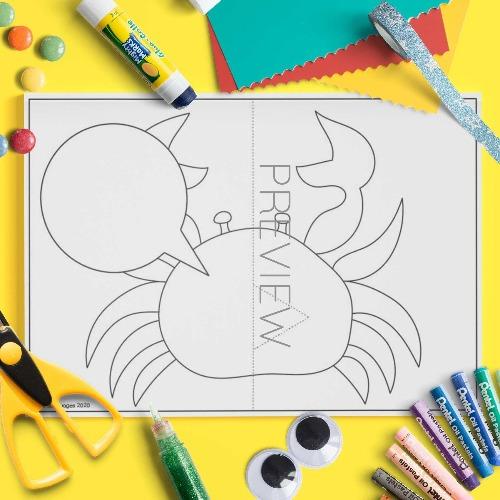
Craft activities are a wonderful way to bring creativity and imagination into English lessons. Under the sea crafts give children the opportunity to build, colour and create while continuing to practise key vocabulary and speaking skills.
Craft projects also work well as calmer end-of-lesson activities and can help create a more memorable and hands-on learning experience for young learners.
Example World Oceans Day Lesson Plan for Children
Here’s a simple example lesson plan using under the sea themed activities for young learners. The lesson combines vocabulary practice, reading and speaking activities, movement and creativity to help keep children engaged throughout the lesson.
Flashcard Lead-in Game
Start the lesson by introducing or reviewing sea animal vocabulary using flashcards.
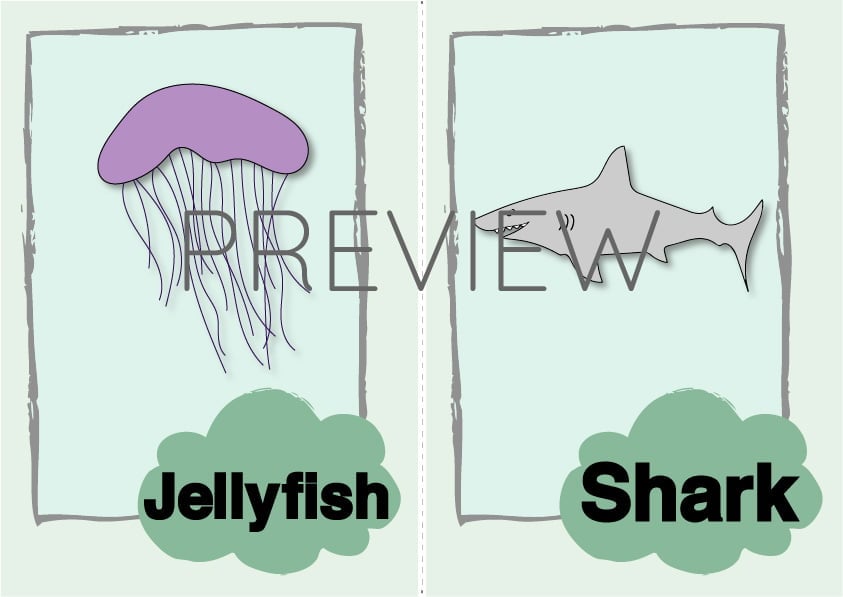
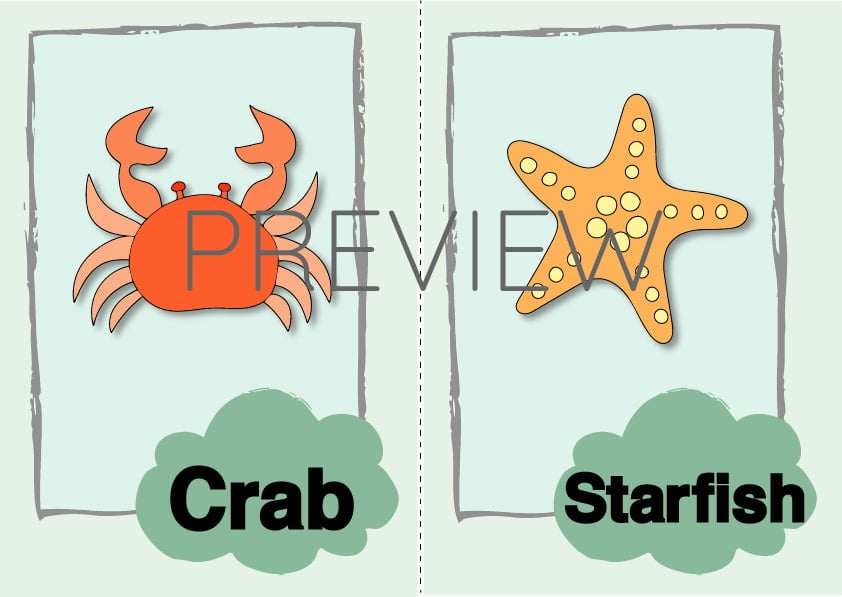
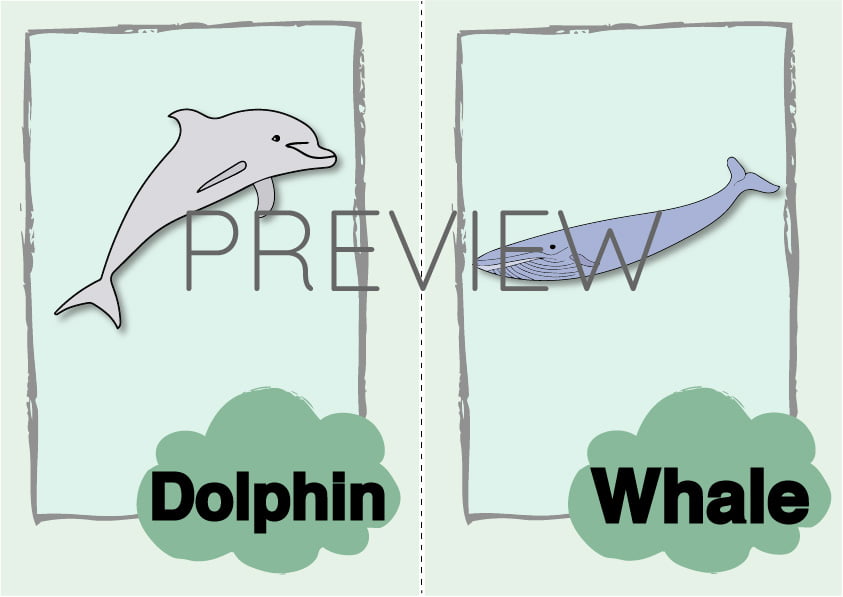
A simple activity like Remember the Order works especially well as a warmer because it encourages children to focus, repeat vocabulary and work together.
Place several under the sea flashcards on the board or floor and ask children to close their eyes while you remove or change the order of one card. Children then try to remember the correct order and identify which card changed.
This type of activity helps children become more confident with the vocabulary before moving into written tasks.
After the lead-in game, move into some calmer vocabulary practice activities.
The word snake and crossword activity works especially well because it helps reinforce spelling and vocabulary recognition in a more focused and independent way.
Children can search for under the sea vocabulary, practise spelling sea creatures and review key words from the lesson in a playful and engaging format.
Next, move into a reading and drawing task to encourage comprehension and creativity.
In a read and draw activity, children read simple descriptions and draw the underwater scene based on the information they read.
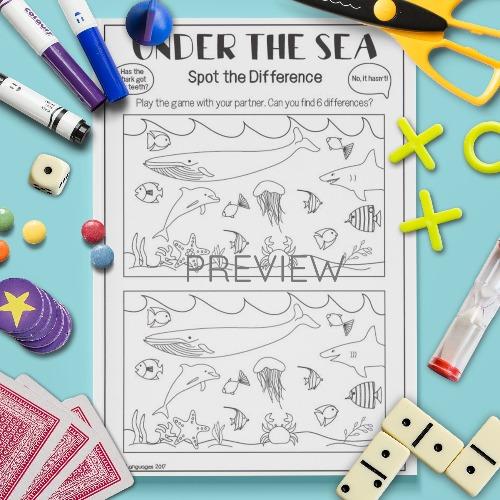
Spot the Difference Speaking Game
After the reading task, bring the energy back up with a communicative speaking activity like Spot the Difference.
Children work in pairs describing their underwater pictures and trying to identify the differences between them.
This type of activity naturally encourages repeated speaking practice using questions, descriptions and target vocabulary.
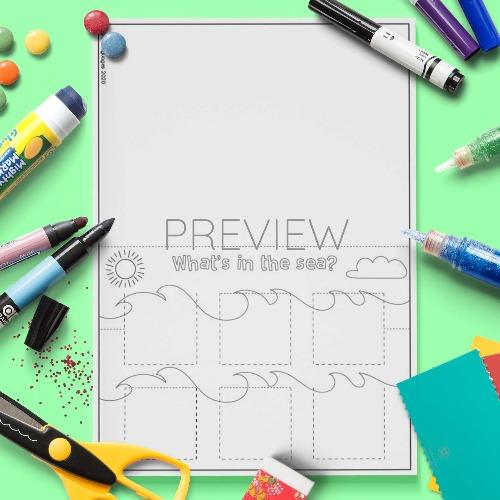
Extra Time Activity: What’s in the Sea?
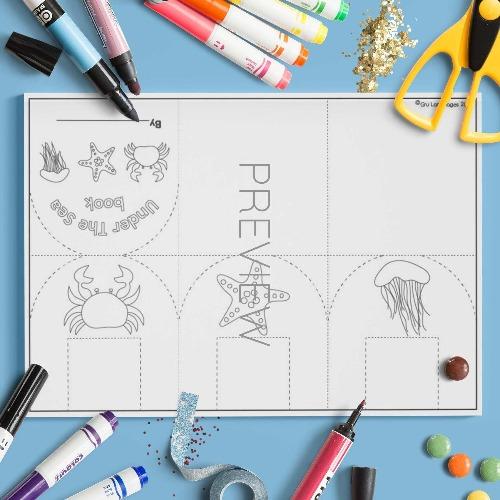
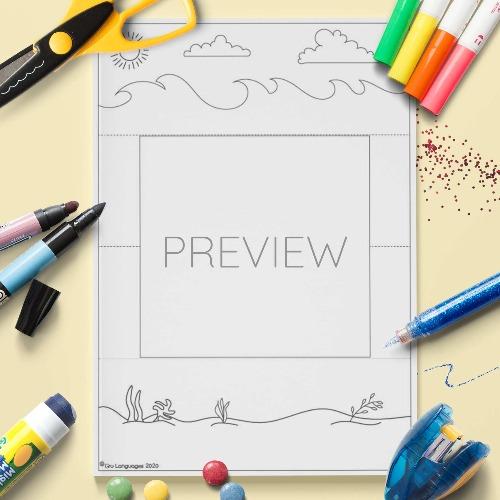
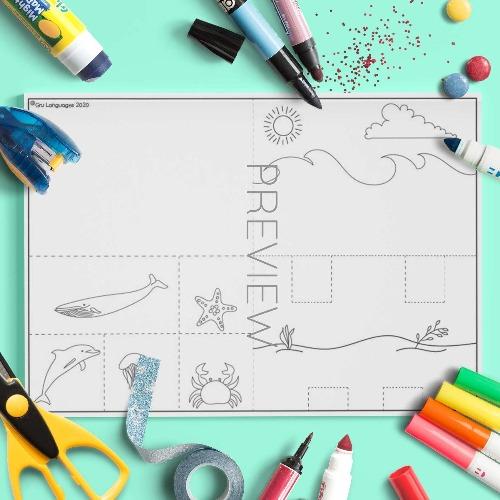
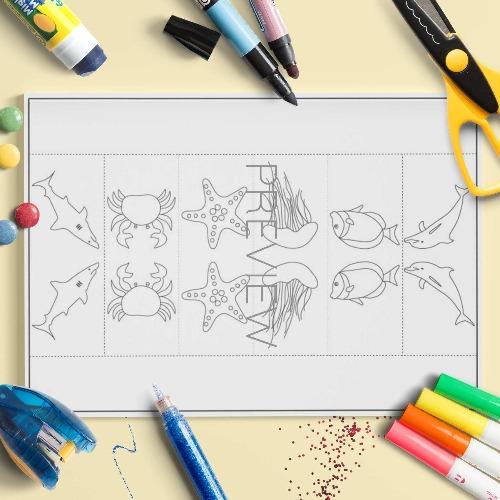
If there’s extra time at the end of the lesson, a simple flap craft can be a lovely way to finish.
Children colour, cut and assemble the craft before opening the flaps to reveal different sea creatures underneath.
Craft activities work especially well at the end of lessons because they help create a calm and creative atmosphere while still reinforcing vocabulary from the lesson.
They also give children something visual and memorable to take home afterwards.
These types of activities work especially well together because they combine movement, creativity, communication and quieter focused tasks, helping lessons feel more varied and engaging for children.
If you’d like to use these World Oceans Day activities, along with the full collection of printable games, crafts, worksheets, speaking activities and lesson plans, you can explore our subscription plans here.
Our aim is to create activities that children genuinely enjoy, while helping teachers save time and feel more confident going into lessons.
We’re also continuing to add new resources throughout the year, including seasonal activities, speaking games, crafts and materials linked to different topics, grammar points and age groups.